
Stem Cells May Improve Fat Grafting Outcomes



She is also working on a temperature-sensitive gel that could be used as a delivery vehicle in the transfer procedure. At room temperature, the substance is liquid; but at body temperature, it turns into a gel. "We envision a viscous liquid that we can put the stem cells into - something that we can easily syringe into the defect, where it immediately gels," Dr. Marra said.
The gel has a microporous structure, which provides scaffolding for adipose cell growth. It gradually degrades, leaving an intact tissue bed behind. "We're looking at something that would last 3-5 months and give the stem cells a chance to survive and produce tissue," she said.
Dr. Marra is optimistic about the future. "The whole tone about the future of stem cells is very positive," she said. "Cautious, but very supportive."
Neither Dr. Marra nor Dr. Rubin had any relevant financial disclosures. The National Institutes of Health also supported the fat grafting trial.
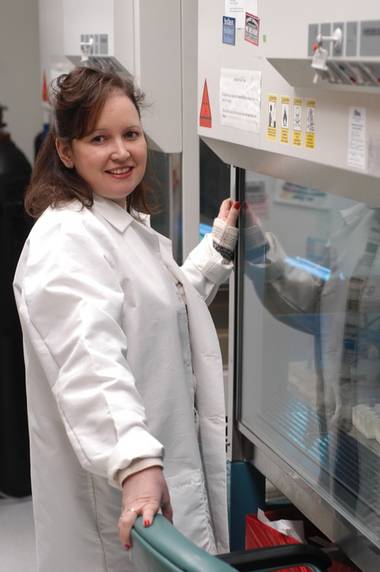
Kacey Marra, Ph.D./ Photo courtesy Jedidiah McAtee

