
Women in forensic psychiatry making progress but still have ways to go


REPORTING FROM THE AAPL ANNUAL MEETING
Gender perceptions matter
Those numbers show progress, though “we’re a little bit behind the trends,” Dr. Coffman said. One reason for this probably is rooted in implicit biases that shape a person’s thinking, without a conscious realization of the sexist ideas about gender roles that have been internalized.
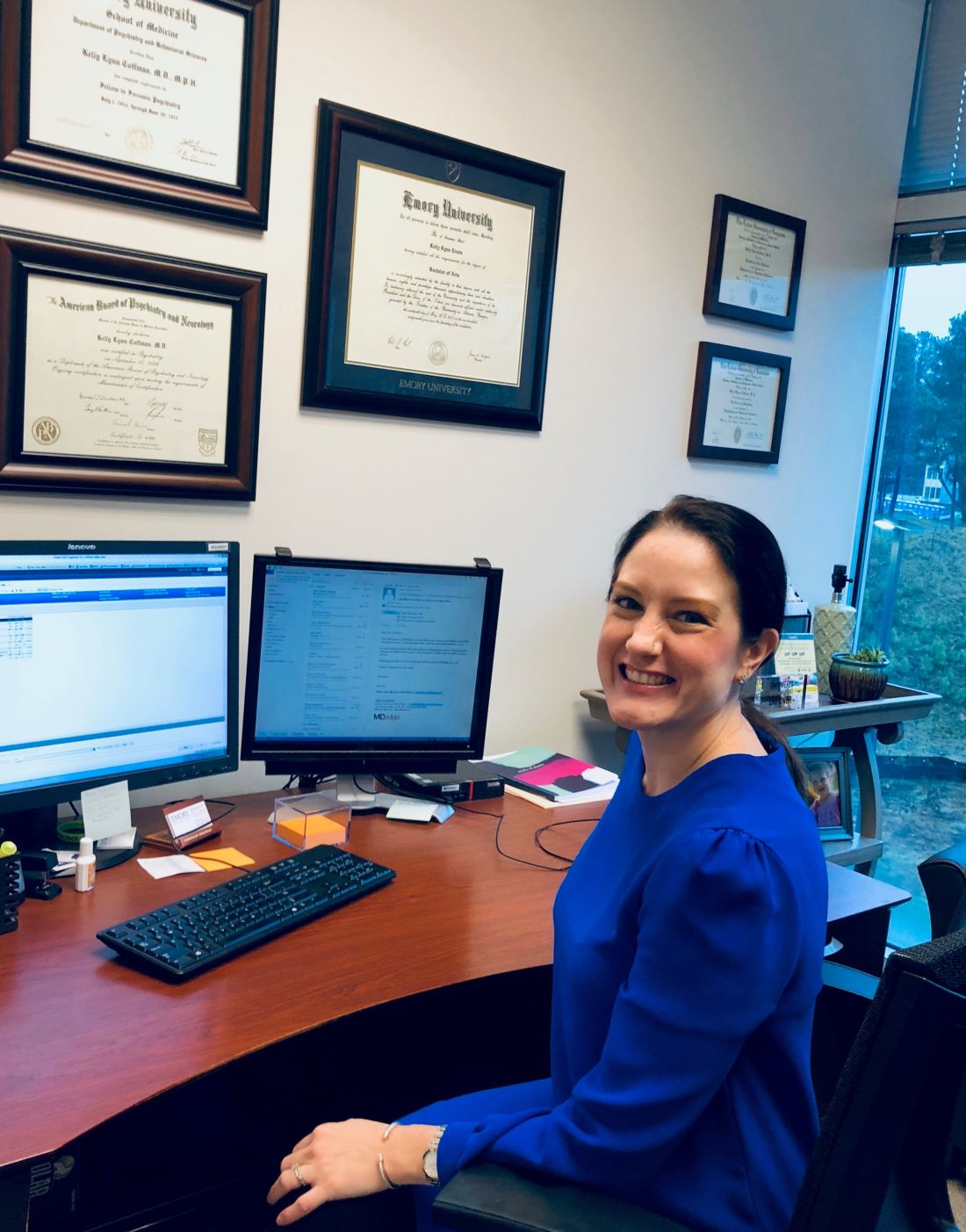
She presented two descriptions of an individual to make her point: one an accomplished scientist, tax attorney, and major political figure, and one a loving parent with a reputation for “always being well-coiffed and tastefully dressed.” Both depictions describe Margaret Thatcher, the first woman to become prime minister of the United Kingdom.
“There’s that real disconnect between the woman and the role, and that that’s where the prejudice lives,” Dr. Coffman said. “The greater the mismatch you see, the greater potential for prejudice.”
Research backs up those assertions. Dr. Coffman shared findings from a study that compared how male and female doctors introduced one another as speakers (J Womens Health [Larchmt]. 2017 May;26[5]:413-9).
Across 321 forms of address, women were more likely to use professional titles when “introducing any speaker during the first form of address, compared with male introducers (96.2% vs. 65.6%).” When the researchers drilled deeper, they found that women introduced others using their professional titles 97.8% of the time (45/46), while men used professional titles to introduce 72.4% of the time (110/152). A disparity was found in mixed-gender introductions: Women used professional titles when introducing men 95% of the time (57/60), but men did the same with women 49.2% of the time (31/63).
Research on perceptions of women as expert witnesses in court is more complicated. In one experiment, for example, mock jurors read a written summary of a civil case where the expert’s opinion was written by either a male or female automobile engineer. The jurors reached the same verdict just as often with female as male engineers – but awarded higher damages when the engineer was a woman.
But that was a written experiment. In similar research where mock jurors viewed video summaries involving cross-examination of a forensic mental health expert, men were found to be more “likable, believable, trustworthy, confident, and credible” than were women.
This and other research underscore a common dilemma for women, Dr. Coffman said: balancing the expectation of being warm and the need to appear competent – both of which can help and harm the way in which women are perceived. But the reality of perception sometimes can surprise.
She pointed to the double-edged sword of eye contact as an example: “If you don’t make eye contact, then you’re perceived as being weak. But if you make too much eye contact, then you’re perceived as being aggressive. So you really can’t win, right?”
Yet the women remained cautiously optimistic, especially noting the large proportion of men attending the session itself.
“It really takes everybody working together to keep the conversation going, finding out where women want to flourish and bloom, and having people to champion us and support that,” Dr. Farrell said.
Dr. Coffman and Dr. Farrell had no relevant conflicts of interest. They will be presenting an expanded version of the presentation at the International Academy of Law and Mental Health meeting in July 2019 in Rome.

