
The Orphan Drug Act and NORD at their 40th anniversary: Dramatic achievements and ongoing innovation


Spotlight: Patient care and research
Edward Neilan, MD, PhD, recently joined NORD as chief medical and scientific officer. As a pediatrician, medical geneticist, and molecular biologist, Dr. Neilan became acquainted with NORD as far back as medical school and his residency, when he used a book called the NORD Guide to Rare Disorders to help him explain certain diseases to patients and families.10 “I had a favorable view of NORD because of how useful the book was,” he said.
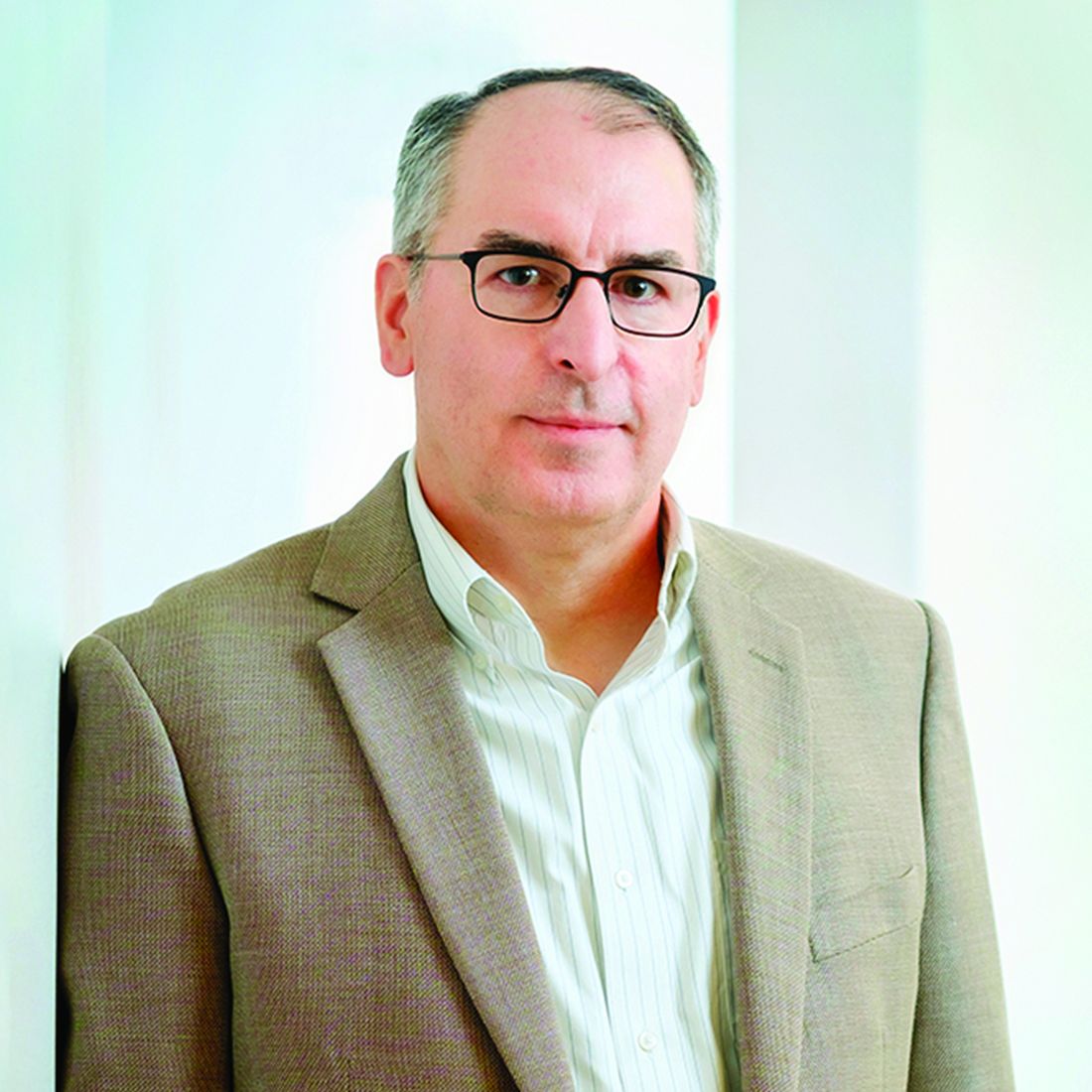
Dr. Neilan had also received research funding from NORD, almost 20 years ago – a pilot grant for Cockayne syndrome, an extremely rare multisystem genetic disorder characterized by premature aging. “At any given time, there are only about 100 or so identified patients with this condition.”11
Pilot grants are awarded after NORD announces a request for proposals and the proposals received are scored by rare disease medical experts, Dr. Neilan explained. “Because this grant helped me research the condition and get my academic career moving, I always had a warm spot for NORD.”
Excellence in care. Dr. Neilan assumed his position at NORD to become involved with the NORD Rare Disease Centers of Excellence program, which he describes as encouraging “collaboration with, and between, dozens of leading medical centers around the country.”
Dr. Neilan is the first physician to work full time at NORD. “Taking the step of designating and directing collaboration amongst centers of excellence around the country seemed to require having a full-time physician on board,” he said, “so I decided to jump in.”
Ms. Kowalski elaborated: “NORD’s Rare Disease Centers of Excellence includes 11 different working groups to address the big problems that need to be solved in rare diseases: working collaboratively. [This] is sometimes rare in academic medicine, but necessary, especially when there aren’t many patients with a given condition.”
Since Dr. Neilan’s arrival, NORD has designated 40 institutions across the country as a NORD Rare Disease Centers of Excellence.12
Natural history research
NORD’s research department awards seed grants to academic investigators who are researching rare disorders and has built an online patient registry platform that helps other, disease-specific patient advocacy organizations conduct natural history studies.
Dr. Neilan said that the registry program was motivated by input from the FDA indicating that companies were sometimes trying to develop drugs to treat a rare disease before fully understanding the natural history of that disease.
“There was a perceived lack of enough natural history data,” Dr. Neilan explained, “so how could the effectiveness of the drug be measured? What would be a meaningful improvement?” NORD assists in making these rare disease foundations more “research ready” so that enough will be known about the disease for drug development “to have a greater chance of success.”
“There’s a lot of promise on the horizon with gene therapy, and the new platforms may accelerate the production of these therapies,” Ms. Kowalski said.
Registries are customized to each disease and foundation by experts, patients, and families involved with that particular disease and foundation. For example: An ongoing study on the NORD platform is a study of metachromatic leukodystrophy (MLD), an autosomal-recessive lysosomal disorder that results in a buildup of sulfatides, a major lipid group in serum, which lead to destruction of the myelin sheath and progressive demyelination of the nervous system.13
“[MLD] is a tragic disorder that can first present in late infancy and may progress rapidly over 6 months or so to the point that children lose much of their neurological functioning,” Dr. Neilan said.
The FDA funded NORD to run the HOME study,14,15 in which families can participate without visiting a research site in person. This was particularly valuable during the COVID-19 pandemic, when many studies were “forced to shift gears and see how much data could be collected if patients were afraid to come to the hospital or not allowed to go to a hospital for nonemergency visits,” Dr. Neilan said.
The HOME study was designed before the onset of the COVID-19 pandemic to reduce the burden on patients of participating in research. The trial became a trend-setter in the shift to what are known as decentralized trials, in which research can be conducted through video, using a tablet that NORD mails to the family.
“This is obviously much more convenient for families who no longer have to travel long distances to the few sites in the country – which are often hundreds or even thousands of miles away – that are studying the condition,” Dr. Neilan said. The decentralized trial model is being used with other conditions, as well.
“There are infantile, juvenile, and adult-onset forms of MLD, and the limited therapeutic options may involve bone-marrow transplant, which may be at least partially effective, as donor-derived bone marrow–derived cells can provide enzymes to protect the brain,” said Dr. Neilan. Gene therapy for MLD has also been developed and is approved in Europe, but not in the United States. “MLD is typical of conditions that often start early in childhood and are progressive, so that, sometimes, by the time the parent realizes that there’s a problem, too much damage has been done to the brain for much repair to take place. Prevention of further damage is easier than reversing an ongoing disease process, so early treatment is important.” That’s why the number of movements to expand newborn screening for various conditions, to identify them before symptoms develop, is increasing.
“That’s another area where NORD has historically been active – in encouraging newborn screening,” Dr. Neilan said.

