
Chronicling Health Care Transformation: Federal Practitioner Looks Back 40 Years


Addressing Post-9/11 Veteran Needs
All of these changes were well under way on the eve of September 11, 2001. After years of reductions, the size of the military stabilized, but the demographics were shifting in important ways. Women made up a larger proportion of the active-duty population, growing from 5% in 1975 to 10% in 1985 and 14% in 2005. The military was also becoming more diverse, with a growing number of service members indicating Hispanic, Asian, Pacific Islander, and other identities. More importantly, a new set of health care concerns emerged to challenge DoD and VHA clinicians. A growing number of service members and veterans of the Gulf Wars were seeking care for respiratory diseases, cancers, blast injuries, and prosthetics.
Federal Practitioner articles primarily focused on quality improvement but increasingly the journal published original research and case studies. Columns like Common Errors in Internal Medicine and Advances in Geriatrics focused on quality improvement and innovative therapies, respectively. To supplement its 12 regular issues, in 2011 Federal Practitioner began publishing special issues to provide even more depth of coverage in specific disease states, including hematology/oncology (in cooperation with the Association of VA Hematology/Oncology), mental health, neurology, infectious diseases, diabetes, among other topics.
The Last 10 Years and the Next 40
In 2013, the DoD formally reorganized its health care operations under the Defense Health Agency, starting an entirely new process that would dramatically reshape health care delivery for 8 million beneficiaries and 140,000 employees. This started a long process of consolidating separate systems and priorities for each branch into a single approach. Meanwhile, controversies around long wait times for VHA appointments (and veterans who died while waiting) put it under intense scrutiny. Legislation to privatize some or all of health care for veterans were discussed and considered, which finally resulted in the creation of the Veterans Choice Program, which greatly expanded the use of private health care services for covered conditions.
In 2018, Federal Practitioner was accepted by the national Library of Medicine’s PubMed Central, ensuring the widest possible access to journal articles. The journal saw a steady growth in submissions and published a combined 21 regular and special issues that year driven by increased submissions and more original research studies.
More and more through the work of its authors, Federal Practitioner has been in the middle of critical and ongoing federal health care concerns. Federal Practitioner authors have turned to the journal to address issues ranging from the deprescribing of opioid medications to measures taken to decrease the incidence of veteran suicide and the challenges presented by artificial intelligence and telehealth delivery. Whether it was the federal responses to Ebola outbreaks in Africa or the myriad ways that the PHS and VA responded to the COVID-19 pandemic in the US, Federal Practitioner has been at the center of federal health care.
Further reading
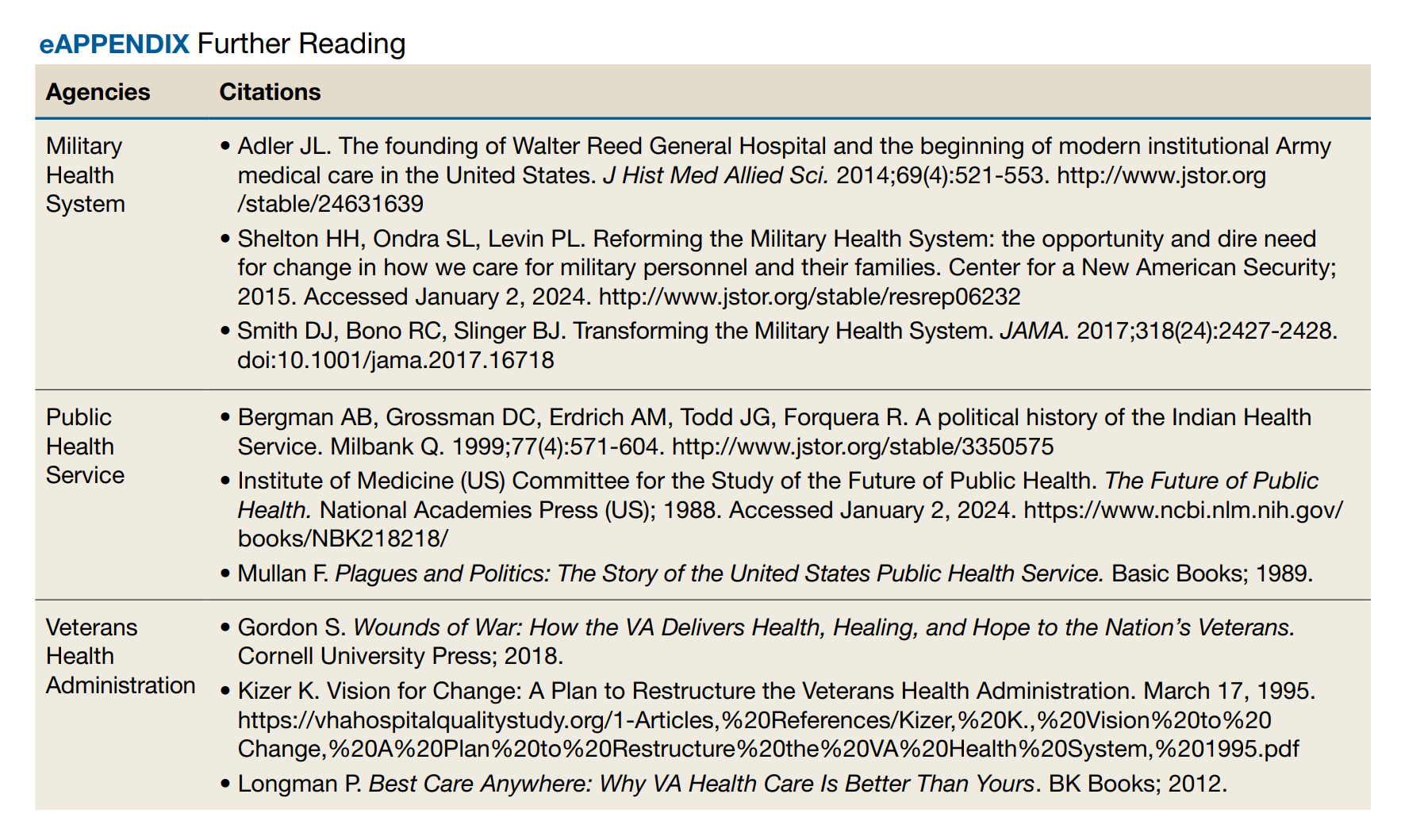
To learn more about the past 40 years of federal health care visit mdedge.com/fedprac or doi:10.12788/fp.0453.


