
Combatting lice in a single treatment


Spinosad (Natroba), a topical pediculicide approved by the FDA in 2011, effectively eradicates lice—with no nit-picking.
The findings: After 14 days, 85% of the children in the spinosad group vs 44% of those in the permethrin group were lice free. In addition, 75% of those treated with spinosad required only one application for a cure, compared with 37% in the permethrin group.
There were no serious adverse events in either group. Participants in the permethrin group were more likely to experience scalp erythema than those in the spinosad group (6.8% vs 3.1%; P<.007). Complete metabolic panels and hematology studies were performed, and no significant differences pre- or posttreatment were found. The dropout rate was <10%, for similar reasons in both groups.
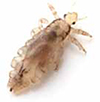
Spinosad is pediculicidal and ovicidal— killing lice and their eggs in all stages
WHAT’S NEW: Extensive nit combing no longer needed
Spinosad is pediculicidal and ovicidal— killing lice and their eggs in all stages—thereby eliminating the need for extensive combing in most cases. It has less resistance than current pediculicides, so a second course of treatment is needed only about one-quarter of the time. Spinosad received FDA approval for use in patients ≥4 years in 2011.
CAVEATS: Funding of study raises question of bias
The study by Stough et al was funded by ParaPRO, LLC, the manufacturer of Natroba. The company had access to the data and had a role in the interpretation of the findings and the decision to publish the study. However, the assessors were blinded to treatment group.
CHALLENGES TO iMPLEMENTATION: Cost is high and may not be covered
Cost will be a major barrier to treatment for many families. The average cost of an application of permethrin 1% is about $20; an application of spinosad costs $270 without insurance. Individual health plans may not cover it or may require prior authorization.
Acknowledgement
The PURLs Surveillance System is supported in part by Grant Number UL1RR024999 from the National Center for Research Resources, a Clinical Translational Science Award to the University of Chicago. The content is solely the responsibility of the authors and does not necessarily represent the official views of the National Center for Research Resources or the National Institutes of Health.

