
Care needed using sotagliflozin as add-on to insulin in T1DM



AT EASD 2017
Risks and clinical implications
In an editorial accompanying the published findings, David Nathan, MD, of Massachusetts General Hospital and Harvard Medical School in Boston, is not convinced that using adjunctive treatment is the future for better glycemic control in T1DM and that better automated insulin delivery systems will likely make adjunctive therapy unnecessary.
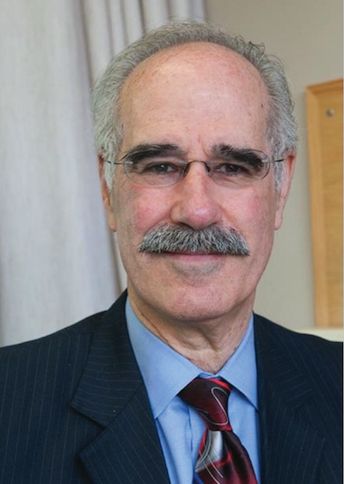
Dr. Nathan also observed “the rate of severe hypoglycemia in the whole sotagliflozin group was not significantly different from the rate in the placebo group,” and the risks and benefits of any adjunctive therapy for T1DM need to be carefully balanced.
While risks remain, one of the chairs of the session, Chantal Mathieu, MD, professor of medicine at the Katholieke Universiteit Leuven (Belgium), observed that “these are exciting times for all of us and hopefully for our patients.” She cautioned clinicians to remember, however, that “type 1 diabetes is a very different disease from type 2 diabetes, and so when we listen to [information about] all these adjunct[ive] therapies, when we read the papers, please interpret the data carefully.”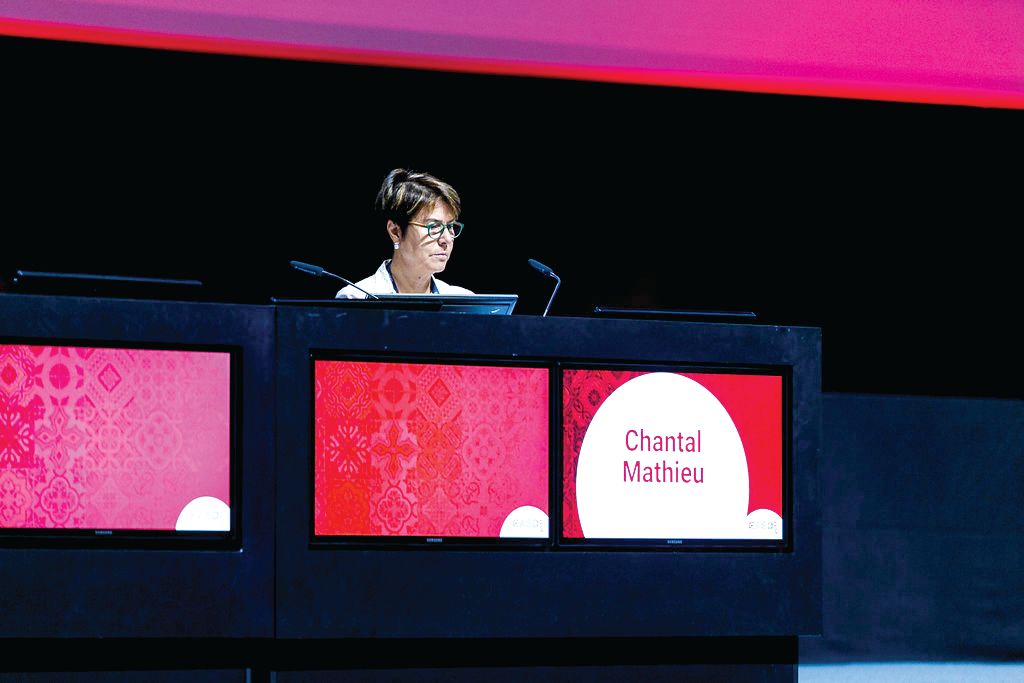
The trial was funded by Lexicon Pharmaceuticals. Sotagliflozin is being codeveloped with Sanofi. Dr. Davies disclosed acting as an advisor, consultant, or being a member of a speaker’s bureau for Sanofi-Aventis and several other companies. She was an investigator in the inTandem trials and her institution received funding from Lexicon to conduct the inTandem 2 and 3 clinical trials. Dr. Rosenstock disclosed research support and acting as an advisor to multiple pharmaceutical companies. Dr. Nathan had nothing to disclose. Dr. Mathieu chaired the session and did not present disclosures.

