Diabetes
Reviewed by: Ricardo Correa, MD, EdD, Clinical Professor of Medicine, Endocrinology Institute, Lerner College of Medicine of CWRU; Endocrinology fellowship director, Cleveland Clinic, Ohio.
Ricardo Correa, MD, EdD, has disclosed the following relevant financial relationships:
Serve(d) as a director, officer, partner, employee, advisor, consultant, or trustee for: American association of clinical endocrinologist; Endocrine fellow foundation; Intealth (ECFMG).
Nearly 25% of veterans who receive VA care have diabetes, compared with about 10% of the US population.1,2 Within the VA, diabetes is the leading cause of long-term complications such as blindness, kidney failure, and amputation.1
Over the past decade, racial and ethnic disparities in early glycemic control have narrowed within the veteran, but differences in continuous glucose monitor (CGM) prescriptions remain.3,4
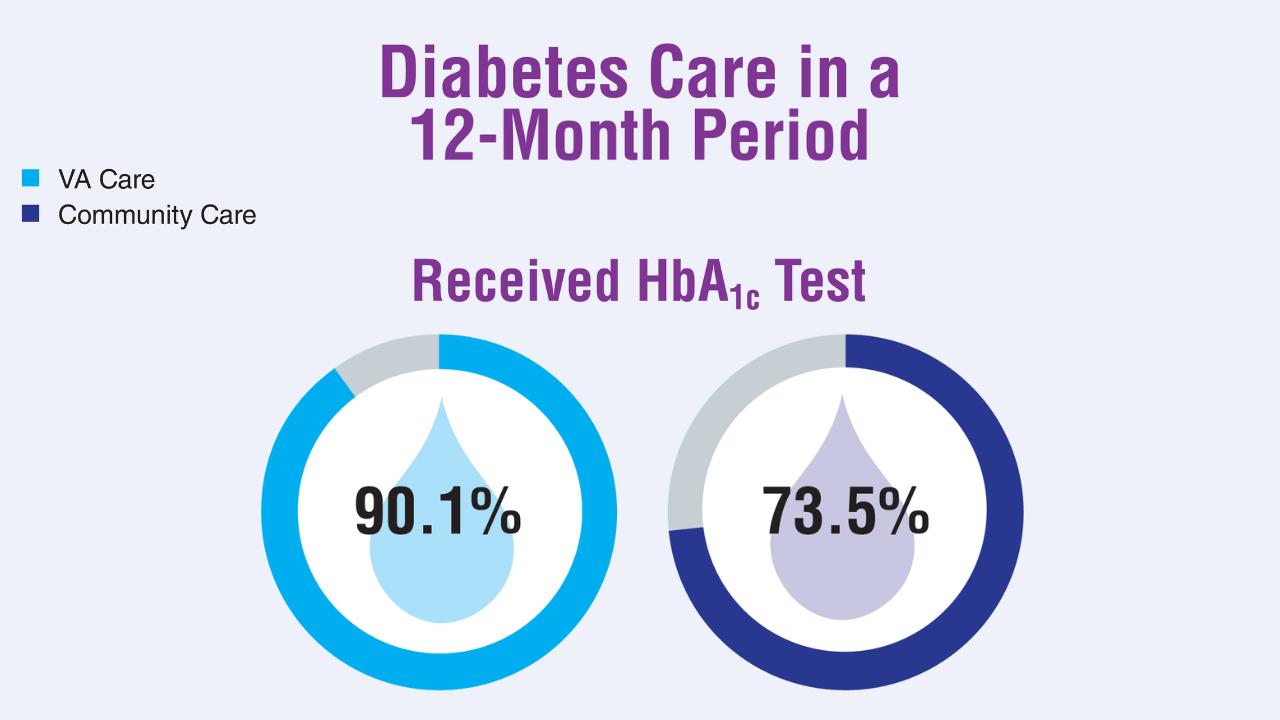
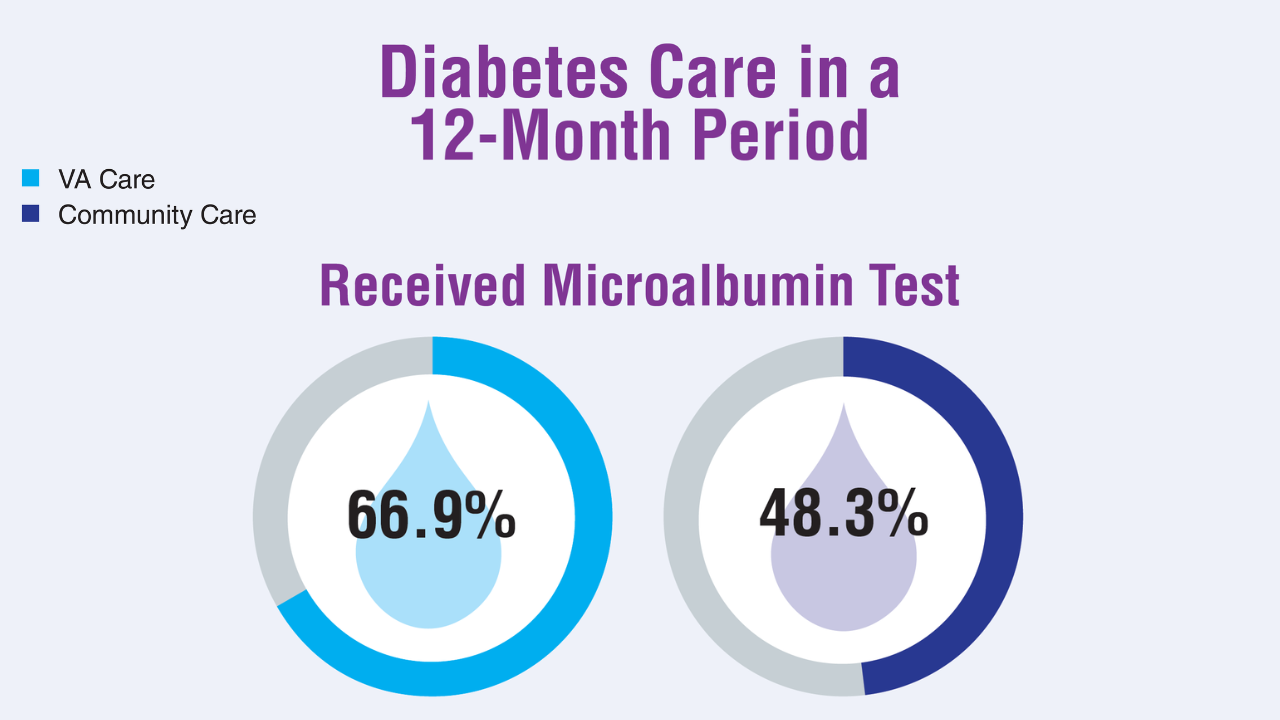
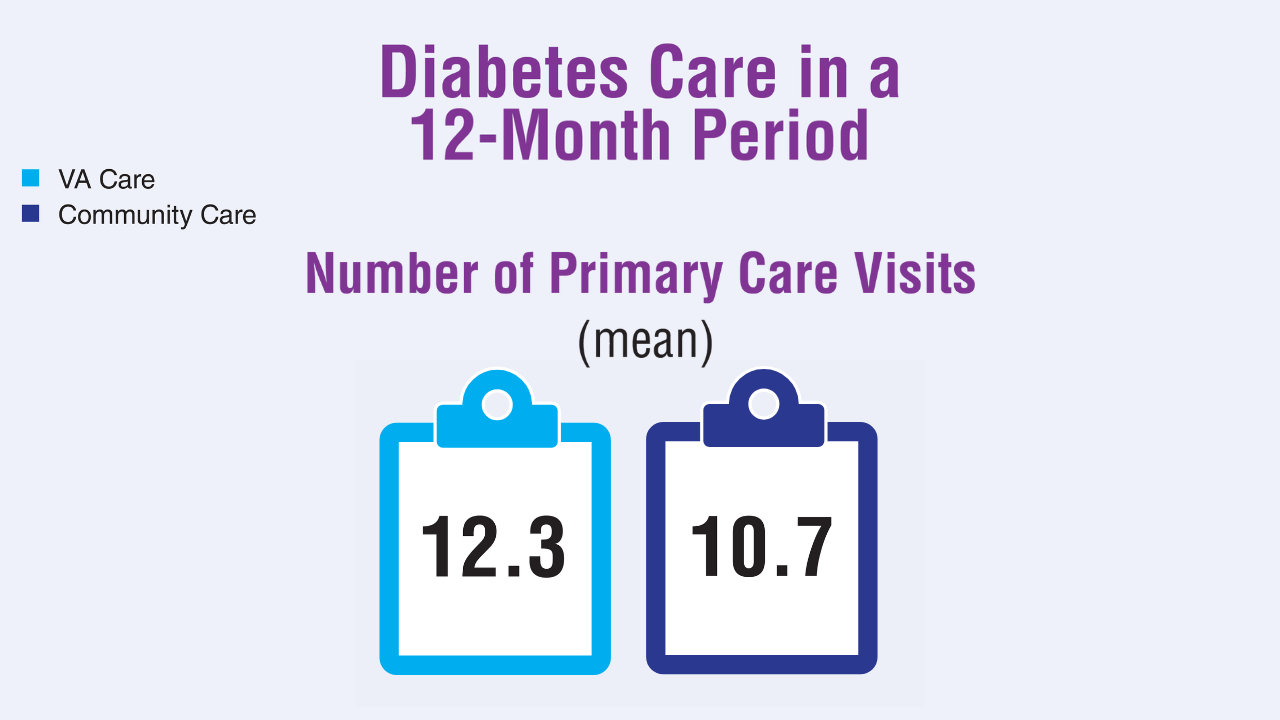
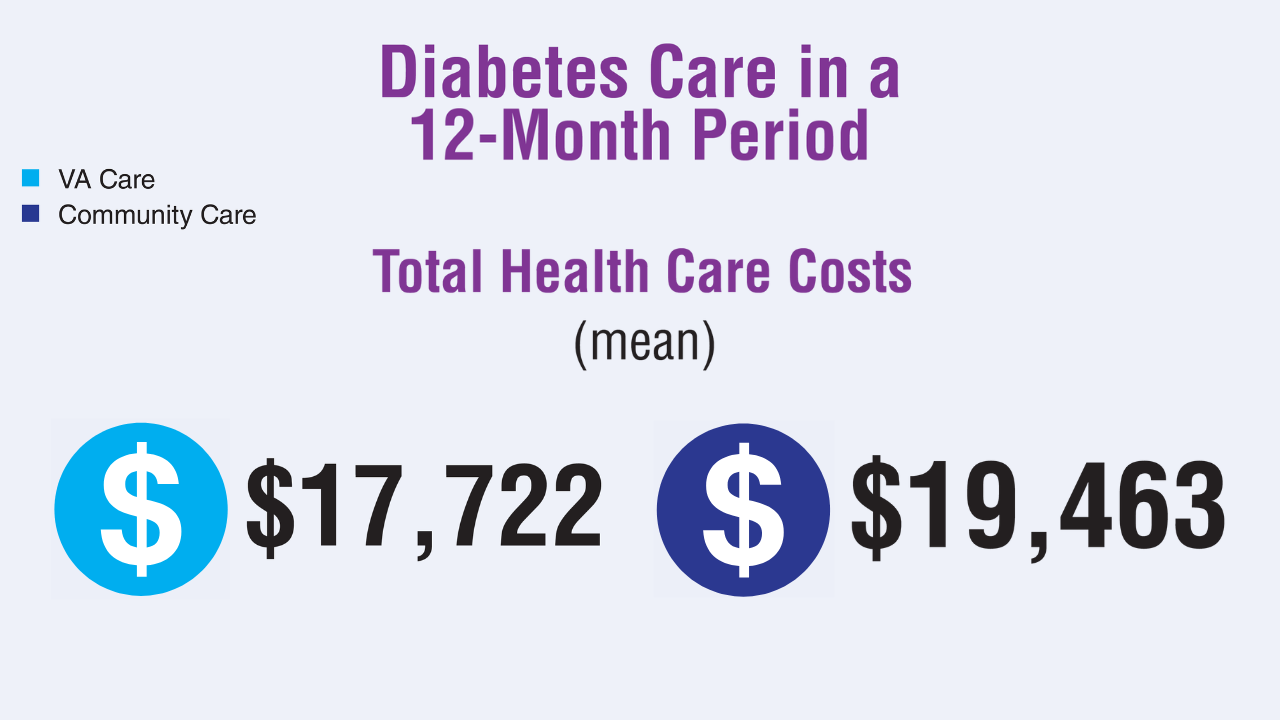
The quality of diabetes management also varies depending on where veterans receive their care. A recent study showed that veterans seeking care in community settings had lower rates of diabetes testing and immunizations, fewer primary care visits, higher rates of hospitalization, and higher health care costs compared with veterans who were treated directly within the VA.5
VHA vs Community Diabetes Care5
A recent study evaluated the quality of care for veterans with diabetes who received primary care through the VA (n = 652,648) or through community care (n = 3650). Over a 12-month period, veterans receiving community care had higher mean costs and lower probability of receiving diabetes related tests.
VHA vs Community Diabetes Care5
CGM Prescriptions4
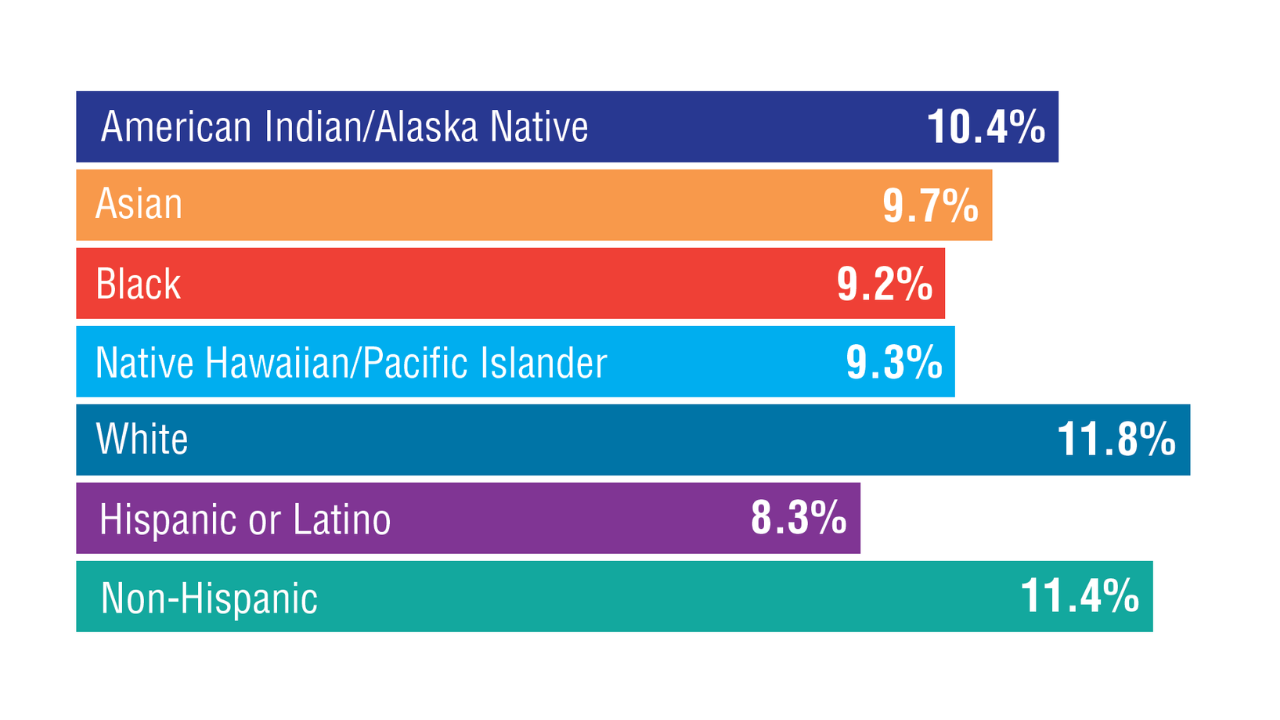
A study of 368,794 veterans diagnosed with either type 1 (3%) or type 2 (97%) diabetes who were on insulin evaluated the association of race and ethnicity with prescriptions for CGM between 2020 and 2021.
VHA vs Community Diabetes Care5
A recent study evaluated the quality of care for veterans with diabetes who received primary care through the VA (n = 652,648) or through community care (n = 3650). Over a 12-month period, veterans receiving community care had higher mean costs and lower probability of receiving diabetes related tests.
VHA vs Community Diabetes Care5
CGM Prescriptions4
A study of 368,794 veterans diagnosed with either type 1 (3%) or type 2 (97%) diabetes who were on insulin evaluated the association of race and ethnicity with prescriptions for CGM between 2020 and 2021.
VHA vs Community Diabetes Care5
A recent study evaluated the quality of care for veterans with diabetes who received primary care through the VA (n = 652,648) or through community care (n = 3650). Over a 12-month period, veterans receiving community care had higher mean costs and lower probability of receiving diabetes related tests.
VHA vs Community Diabetes Care5
CGM Prescriptions4
A study of 368,794 veterans diagnosed with either type 1 (3%) or type 2 (97%) diabetes who were on insulin evaluated the association of race and ethnicity with prescriptions for CGM between 2020 and 2021.
Click here to view more from Federal Health Care Data Trends 2025.
,false