
From the editors


Dr. Laura Drudi: It really comes down to adequately informing the patient. I always find it astounding how many patients I encounter asking me in a timid tone, “What exactly did I have done on my leg?” I question what patients actually understand and retain after being overwhelmed by the informed consent we have prior to an intervention.
I see first hand the catastrophic failures of intervening on severe claudication leading to limb loss and worsening of quality of life. It’s disheartening to see adverse outcomes following vascular interventions either by vascular surgeons or other interventionalists, but I believe that if you are performing an intervention you should have the expertise and technical skills to deal with the complications.
The best interventionalists know when not to intervene and that should be the mantra we live by. We should be advocates for our patients at a local institutional level as well as a public level. I believe that following the New York Times article the public will be more aware of the potential for inappropriate or unnecessary interventions, many of which are being performed by specialists other than vascular surgeons.
,The Society and individual vascular surgeons should capitalize on this opportunity to educate patients as to the benefits of consulting with a vascular surgeon before undertaking any endovascular procedure.
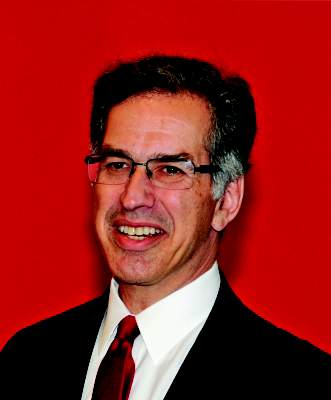
Dr. Elliot L. Chaikof: Both government and private payers have a vested interest in ensuring that patients receive the highest quality care, while reducing the unsustainable rate of increase in health care costs. In Massachusetts and elsewhere in the United States, this has led to the introduction of new risk contracting models that features a global payment with incentives linked to efficiency and quality.
At our institution, approximately 60% of patients are now in such risk contracts. Primary care physicians are most directly incentivized and, along with government and private payors, are highly motivated to ensure that our population of patients receives the right care, at the right time, from the right physician. The U.S. health care system continues to be in a state of flux with substantial regional variations in the delivery of care and how that care is financed.
Despite these challenges, the Society for Vascular Surgery can best serve our patients through advocacy and education, including promoting the need for full transparency of costs to our patients and their physicians. This would be most effective in active partnership with primary care providers, along with regional and national payors.

Dr. Erica L. Mitchell: The line separating a business from a profession is not entirely clear when professionals engage in business practices that serve to benefit the individual financially.
One crucial difference distinguishing the profession of medicine from other professions is that physicians have a fiduciary duty toward those whom they serve. This means that we have a legal duty to provide services to our patients that place the patient’s interest above our own financial interest.
This article highlights how legal and ethical issues arise if health care professionals forgo their fiduciary duties for personal gain. Unethical physicians should be held accountable for unethical practices.
Dr. Larry Scher: The recent article by Julie Creswell and Reed Abelson in the Jan. 29, 2015, New York Times highlights a recent problem in the care of patients with peripheral vascular disease. Vascular surgeons have been treating peripheral arterial disease for over 50 years and have generally adopted a conservative approach toward patients with claudication, emphasizing risk factor modification and exercise.

This is based on an understanding that the disease is benign, rarely progressive, and only occasionally disabling to the point that intervention is indicated for symptom relief.
With new minimally invasive techniques available and specialists other than vascular surgeons performing peripheral catheter based procedures we seem to have forgotten all that vascular surgeons have learned over the past 5 decades.
Most patients with claudication do not benefit from and may be harmed by interventions when long-term rather than short-term outcomes are analyzed. Although practitioners such as those identified in this article may believe they are pioneers in the treatment of peripheral arterial disease and specifically claudication, I would consider them cowboys who have forgotten the lessons of the past.

