From the editors


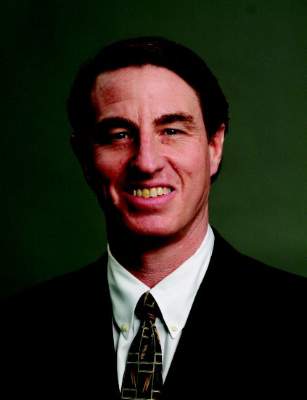
Dr. Mark Morasch: Remember, all politics are local, and any meaningful change needs to come from the grass roots.
Experts can write guidelines, specialty societies can make statements, and newspapers can print articles but the most influential transaction occurs in the exam room when we are face to face with our patients.
Remember, even though we are a small group, we can have great influence when we always, always, always do what we know is right.
,Dr. Alan M. Dietzek: Dear Patient, Let me introduce myself. I am a Board-Certified Vascular Surgeon. My specialty is unique in that I am well versed and formally trained in both the medical and surgical management of peripheral vascular disease. No other specialist can make this claim.
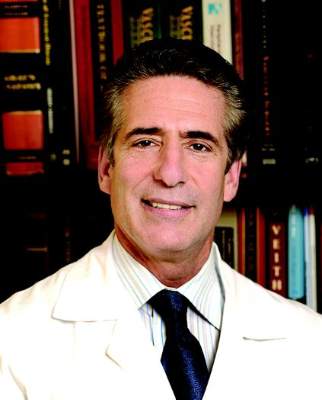
Most often, vascular problems can be managed conservatively with a combination of risk factor and lifestyle modification, and occasionally prescription medications, all of which I can outline and or prescribe for you. When necessary, however, I am prepared to treat your vascular problem with either a minimally invasive procedure or open surgery depending on which treatment will provide you with the best outcomes. Again, only a vascular surgeon is capable of offering you these treatment options. I am dedicated to your well-being. I am a Board-Certified Vascular Surgeon
Dr. Murray L. Shames: The recent New York Times article, “Medicare payments surge for stents to unblock blood vessels in limbs,” brings up a critical issue in how we train our residents to think and practice in the future.
Our current generation of residents is faced with a tremendous financial burden of medical school debt, and they are being offered highly competitive salaries after graduation.
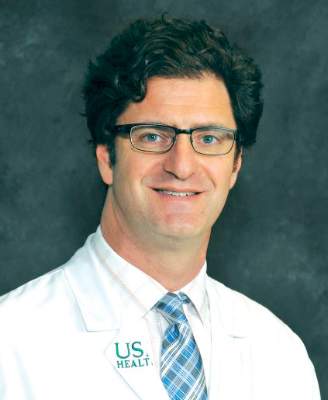
The motivation to join groups with outpatient vascular centers is certainly attractive: Why not have autonomy from the hospital, control your work environment, and increase efficiency. As educators we must continue to use clinical evidence and societal guidelines (J. Vasc. Surg. 2015:1-40) to guide our clinical practice.
As vascular surgeons we have been trained to manage asymptomatic PAD and intermittent claudication nonoperatively due to it’s relatively benign natural history; endovascular interventions have dramatically increased the treatment of claudication, even in our own hands. We must continue to teach our residents restraint and to consider the impact of the interventions we perform. That way we can maintain our status as the leaders in vascular disease management and not just “interventionalists” that treat lesions.

Dr. Joann Lohr: The presence of a stenotic lesion does not mandate treatment either with a stent or surgical intervention but needs critical assessment of the impact on the patient’s quality of life. Risk factor modification needs to be undertaken before any intervention and will improve outcomes and durability of repairs. The only outcome that matters is the patient’s.
“How does treatment of this lesion change my lifestyle?” is a question that needs to be answered for each patient. Treating physicians need to establish long-term relationships.
Never be afraid to tell patients a procedure is not the first line of treatment. Thoughtful application of new technology is needed in all areas of medicine. Just because we can, should we? Appropriate individualized treatment plans and goals need to be established for each patient we treat.
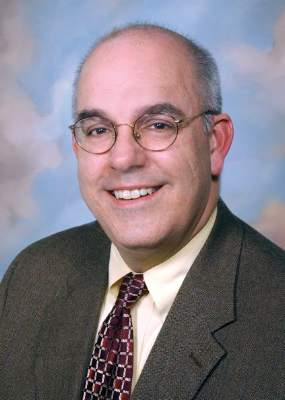
Dr. Larry Kraiss: Vascular surgeons provide the full spectrum of care for PAD from medical management through intervention to the unfortunate situations when amputation is necessary.
The more sobering of these experiences have imbued most of us with a healthy respect for how an intervention can go wrong. If you haven’t had to explain to a patient or family why an amputation is necessary, you probably don’t have the same concern.
Thus, many of us have a very conservative approach to PAD intervention; primum non nocere is the governing principle. This principle is supposed to guide the actions of all physicians but I can’t help but wonder if something happened to primum non nocere on the way to the outpatient endovascular center.
When physicians become financial stakeholders in these enterprises, a pernicious incentive is introduced that is almost impossible to exclude from daily clinical decision making. Hospital-based physicians are also subject to temptation to perform unnecessary yet lucrative procedures but at least these are being done more in the open.
I suspect that the development of these centers has allowed much activity to occur that would rightly be condemned under the scrutiny of one’s hospital peers.