
Patients With Stable Lupus May Be Safely Weaned Off MMF


FROM THE LANCET RHEUMATOLOGY
Encouraging Data
In an accompanying editorial, Noémie Jourde-Chiche, MD, PhD, from Aix-Marseille University in Marseille, France, and Laurent Chiche, MD, from Hopital Europeen de Marseille, wrote that the study data “were clearly encouraging.” They noted that the results show that it’s feasible to wean select patients off immunosuppressive therapy and keep SLE in check and that the quantified risk assessment strategy will allow shared decision-making for each patient.
“Overall, the prospect of a time-limited (versus lifelong) treatment may favor compliance, as observed in other disease fields, which might consolidate remission and reduce the risk of subsequent relapse, using sequentially treat-to-target and think-to-untreat strategies for a win-wean era in SLE,” they wrote.
“We’ve been awaiting the results of this trial for quite a while, and so it is nice to see it out,” commented Karen H. Costenbader, MD, MPH, professor of medicine at Harvard Medical School, and chair of the division of rheumatology and director of the Lupus Program at Brigham and Women’s Hospital in Boston, Massachusetts.
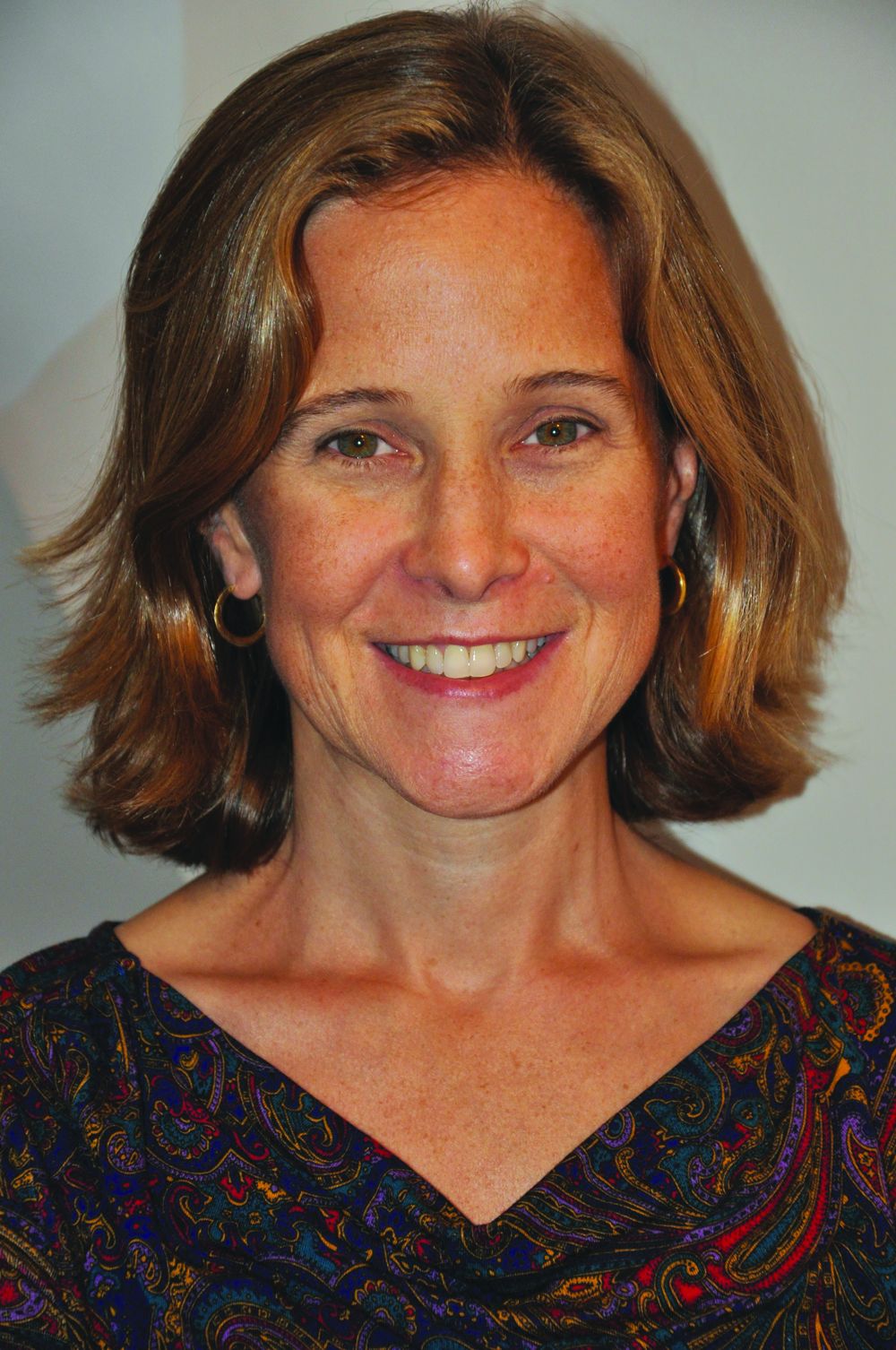
“It does provide some data to address a question that comes up in discussions with patients all the time: A person with lupus has been doing really well, in what we call low disease activity state or remission, but on mycophenolate, possibly for several years,” she said in a reply to a request for objective commentary.
“The question is how and when to taper and can MMF be safely discontinued,” she said. “Personally, I always review the severity of the underlying disease and indication for the MMF in the first place. Really active SLE with rapidly progressing kidney or other organ damage has to be treated with tremendous respect and no one wants to go back there. I also think about how long it has been, which other medications are still being taken (hydroxychloroquine, belimumab [Benlysta], etc.) and whether the labs and symptoms have really returned to completely normal. Then I have discussions about all this with my patient and we often try a long, slow, gingerly taper with a lot of interim monitoring.”
The study was funded by the National Institute of Allergy and Infectious Diseases and the National Institute of Arthritis and Musculoskeletal and Skin Diseases. Dr. Chakravarty and Dr. Costenbader report no relevant financial relationships. Dr. Jourde-Chiche declares personal consulting fees from Otsuka and AstraZeneca, personal speaking fees from GlaxoSmithKline and Otsuka, and personal payment for expert testimony from Otsuka. Dr. Chiche declares research grants paid to his institution from AstraZeneca and GlaxoSmithKline, personal consulting fees from Novartis and AstraZeneca, and personal speaking fees from GlaxoSmithKline and Novartis.
A version of this article appeared on Medscape.com .

