
Opioids and us: Designed to fail


In 2015, the FDA approved marketing OxyContin to children as young as age 11 years..
To address their role in the opioid crisis, the Joint Commission issued a statement on April 18, 2016. It was not a master class in self-awareness; the statement claimed that it is a “misconception” that Joint Commission standards pushed doctors to prescribe opioids. Yet, according to a Class Action complaint (Kenova v. JCAHO), in a 2001 monograph published by the Joint Commission (and funded by Purdue Pharma), they wrote “Some clinicians have inaccurate and exaggerated concerns about addiction, tolerance, and risk of death. This attitude prevails despite the fact that there is no evidence that addiction is a significant issue when persons are given opioids for pain control.”
In 2016, the AMA passed a resolution to drop pain as a vital sign. They also urged the Joint Commission to stop requiring hospitals to ask patients about the quality of their pain care. The American College of Surgeons has started an education initiative to help surgeons and patients learn about opioids and surgery (funded by Pacira Pharmaceuticals, makers of EXPAREL, an injectable long-lasting local anesthetic). In a March 2016 statement in the New England Journal of Medicine, Centers for Disease Control and Prevention representatives said of opioids “We know of no other medication routinely used for a nonfatal condition that kills patients so frequently.” As vascular surgeons, we are long overdue for a self-assessment. It is now time to change our practices and habits to help end this national addiction.
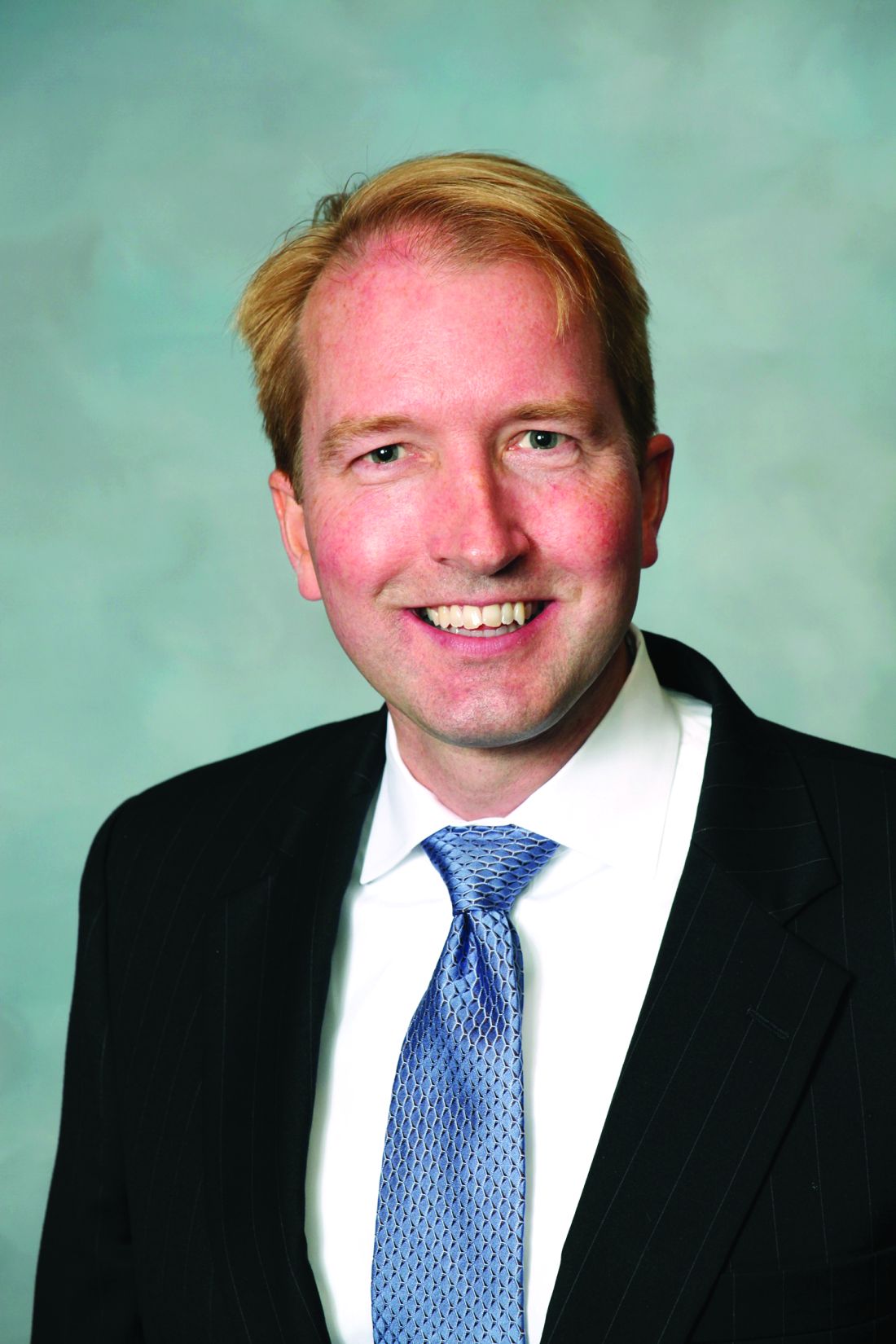
Dr. Sheahan is the Claude C. Craighead Jr. Professor and chair, division of vascular and endovascular surgery, Louisiana State University Health Sciences Center, New Orleans.

