
Dermatology lacks diversity


The task force is currently developing a program called the Diversity Champion Initiative, Dr. Pandya said. The initiative will gather information about successful diversity activities at medical schools nationwide and replicate such efforts at other institutions. The idea is to help schools learn from each other and build on programs already in practice.
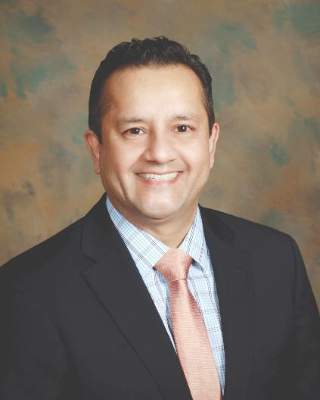
At the University of Texas Southwestern, for example, Dr. Pandya meets with medical students during their first month of training and brings them to his home for a pizza party. The students hear from other dermatologists of color about why they chose dermatology and the importance of drawing more minorities into the specialty. Dr. Pandya holds a similar gathering for local premed college students.
“I offer these students a chance to come to our free clinic in East Dallas so they can observe how important we are to the minority population of Dallas,” he said. “Patients line up starting at 5 in the morning for our 8:30 clinic start because they’re desperate to get skin care. We are only one of two clinics that offer free dermatology services in the Dallas-Fort Worth metropolitan area.”
Dermatologists are making similar efforts to reach minority medical students at UCSF. The dermatology department is working with the school’s residency committee and hiring leaders to broaden selection criteria, said Dr. Eleni Linos, a UCSF dermatologist who leads diversity efforts at the school. The goal is to change criteria to allow for acceptance of more minority residents and physicians.
“Through mentorship programs, we’re ensuring medical students from all backgrounds are exposed to all aspects of dermatology early on,” Dr. Linos said in an interview. “What we want to do, as a next step, is teach all of our faculty about unconscious bias and implicit bias and the way it can affect our clinical practice as well as our hiring and our interaction with students and trainees.”
Mentorship is also a key aspect of the The Skin of Color Center of Mount Sinai St. Luke’s and Mount Sinai West. Cofounded in 1999 by Dr. Taylor, Dr. Vincent A. DeLeo, and Dr. Fran Cook-Bolden, the center specializes in the diagnosis and treatment of skin conditions common to patients of color. Along with conducting research, producing literature, and hosting seminars, the center also trains a number of residents and fellows, Dr. Alexis said.
“Over the past 17 years, the awareness of the nuances of treating common dermatological disorders in patients with skin of color has really advanced,” he said. “We see a growing interest throughout the dermatological community – nationally and internationally – in this area, largely due to early efforts of this center.”
A total of nine ethnic skin centers now exist in the United States. And in 2004, Dr. Taylor helped establish the Skin of Color Society, an international association that promotes awareness and excellence for skin of color dermatology.
More work needed among departments, practices
Dr. Linos encourages more dermatology program directors and residency committees to review their admission and hiring criteria. Criteria should be objective, predefined, and not biased against minority applicants, she said. “We know that relying on test scores alone can be a disadvantage for some minority applicants,” she noted. “Broader criteria that are predefined and explicitly defined are very helpful for ensuring equity and increasing diversity.”

Dermatology leaders want more dermatologists to act as mentors. Talk to high school and college-aged patients from underrepresented groups and encourage them to enter medicine, the JAAD article suggests. Volunteer at schools and encourage minority students to pursue careers in science and health. Contact minority medical school associations and engage the members, Dr. Pandya added.
“Talk to them about why [you] went into medicine and dermatology, he said. “Become their advisor, make [yourself] available for any questions they may have. This helps enormously in getting medical students interested in dermatology.”
On a positive note, dermatology as a specialty is clearly starting to understand the importance of diversity, according to Dr. Alexis. Making “a more concerted effort to feed the pipeline and encourage potential students early on in their career to consider dermatology as a specialty will undoubtedly lead to increased diversity in the future,” he said.
On Twitter @legal_med

