
Rheumatologists’ industry payments rise, primarily go to small minority



FROM ARTHRITIS & RHEUMATOLOGY
Disclosure of payments is important
The study is important because it is essential to understand how public disclosure of industry payments influences financial relationship between the biomedical industry and physicians, said Amarnath Annapureddy, MD, a clinical fellow in cardiology at Yale University, New Haven, Conn., who has studied and written about industry payments to physicians.
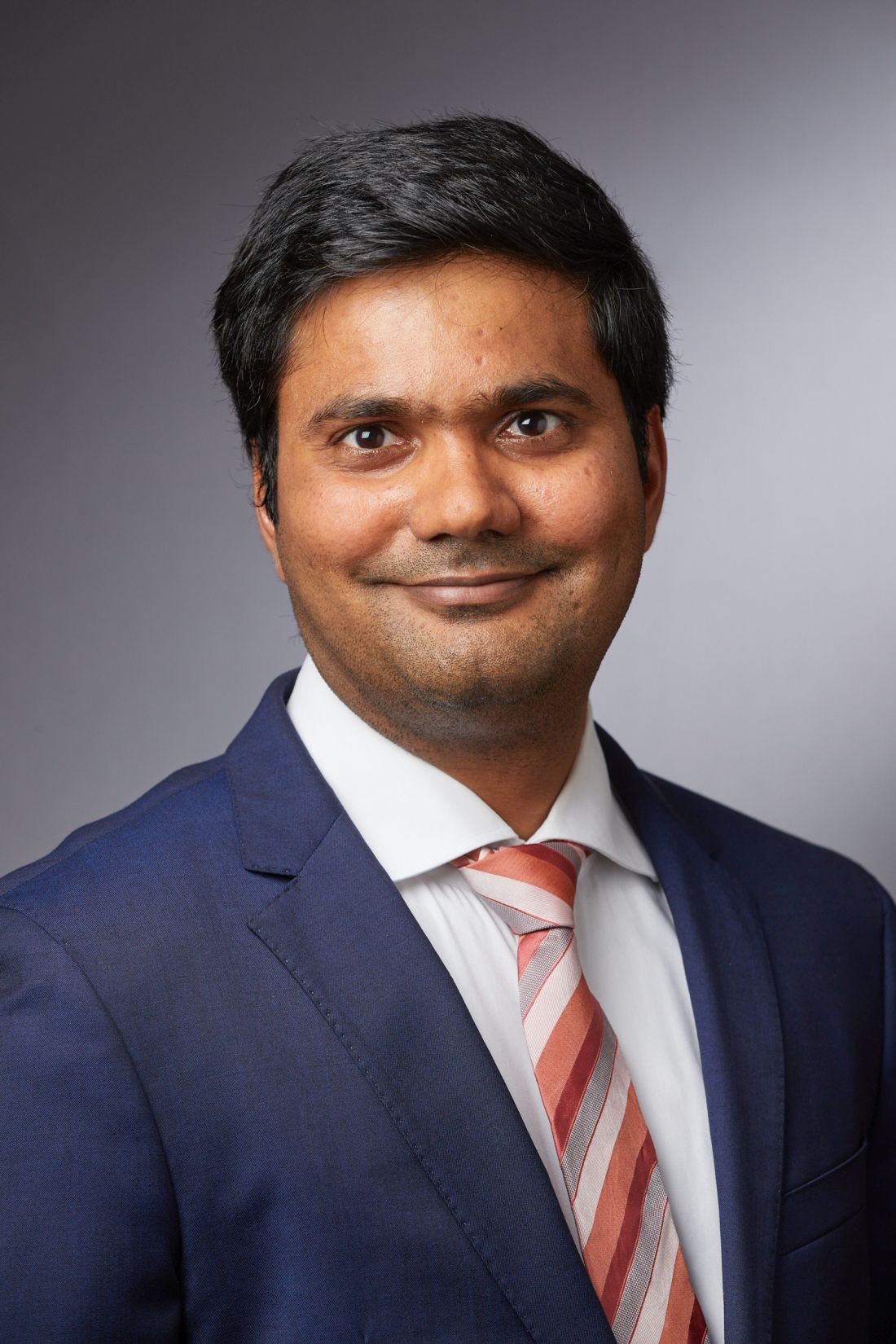
Dr. Annapureddy said in an interview that he was surprised by how the study findings were opposite to the assumption that public disclosure would dissuade continuation of financial ties between physicians and industry. “This study showed payments increased over time rather than decreasing due to public disclosure.”
However, Dr. Annapureddy said that he was not surprised at how few physicians received the bulk of industry payments. “These physicians are considered to be ‘key opinion leaders’ who could influence practicing patterns of other physicians. These findings are similar to payment patterns for other specialties, including cardiology.
“So far, no study has evaluated factors that drive changes in industry payment patterns,” Dr. Annapureddy said. “I anticipate the patterns noted in this study will continue at least in the short term. If health care systems mandate physicians to disclose potential conflicts of interest to the patients, it may reduce payments.”
However, “unless, there is a major health policy mandate by government, I anticipate public disclosure of payments through the open payments program will not impact industry-physician ties,” he said. “This study has not evaluated impact of payments on prescribing practices. There are overwhelming data from several studies that showed payments influence physicians practicing patterns, whether it is prescribing a medication or implanting a device.” However, as for additional research, Dr. Annapureddy said that it would interesting to see a randomized trial to show whether the way physicians disclose their financial ties with patients would impact their practicing patterns.
The study received no outside funding. Dr. Putman was supported by a Rheumatology Research grant, but he and the other researchers had no financial conflicts to disclose. Dr. Mitchell disclosed a merit award from the nonprofit Conquer Cancer Foundation, for which the Foundation received financial support from Merck. Dr. Annapureddy had no financial conflicts to disclose.

