
Dickensian DX: Tiny Tim Had TB and Rickets


In Charles Dickens' tale, A Christmas Carol, miserly Ebenezer Scrooge has a change of heart after visits from three very persuasive spirits. Among his charitable endeavors was to improve the health of Tiny Tim Cratchit, the crippled youngest son of Scrooge’s long-suffering clerk, Bob Cratchit.
Tiny Tim’s condition is not fully described in the story, and has been the subject of speculation, since it was considered fatal (according to the Ghost of Christmas Present).
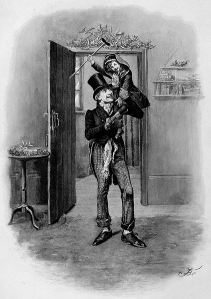
In the current issue of the Archives of Pediatrics and Adolescent Medicine, Dr. Russell W. Chesney of the University of Tennessee Health Science Center in Memphis offers a diagnosis, based in part on what we know about environmental factors during the time when the story was set (London, 1820-1843).
Dr. Chesney suggests that Tiny Tim had both rickets and tuberculosis. His odds of having rickets were fairly high, given the lack of sun exposure (due to coal-blackened skies and a tendency at the time for children of low-income families to work indoors in factories during daylight hours) and poor nutrition (due to Bob Cratchit’s meager salary).
In addition, Dr. Chesney points out, pneumonia, upper respiratory infections, and TB are more common in those with vitamin D deficiency and rickets. Improving vitamin D status with better food (achieved when Bob Cratchit gets a long overdue raise in salary from Scrooge) would cure rickets and improve the TB, Dr. Chesney writes, so Scrooge’s generosity actually could make a difference in whether Tiny Tim lived or died.
"We are not told whether he was fully cured, but he definitely survived," Dr. Chesney notes.
The moral of the story? Another victory for Vitamin D, and also, perhaps, for a good attitude. As Dickens said, "It is a fair, even-handed, noble adjustment of things, that while there is infection in disease and sorrow, there is nothing in the world so irresistibly contagious as laughter and good-humour."
–Heidi Splete (on Twitter @hsplete)