World Wide Med: Saving Spines in the Congo



How long are your medical trips to the Congo, and how many physicians go along?
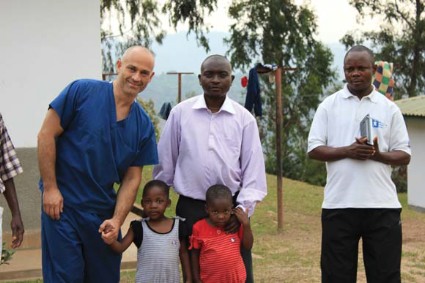
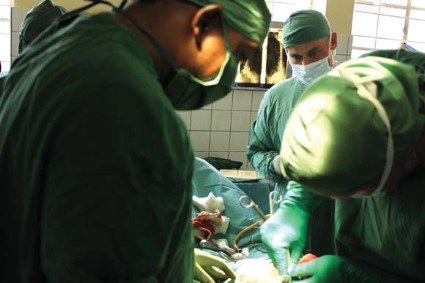
We go for about 2 weeks at a time and, in February 2012, we made our fourth trip. At the moment, the team consists of two surgeons. We use local nurses, technicians, and an anesthetist. We have had a lot of interest from doctors in the U.S. and in Europe. This year, we hope to have up to six or seven surgeons on the medical team.
What have you found most rewarding about the project so far?
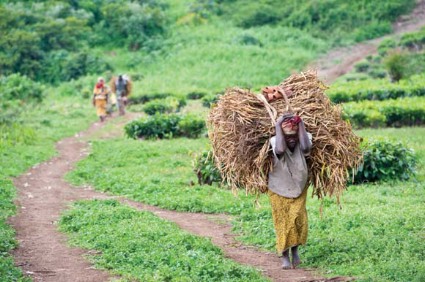
The most rewarding thing to me has been the sense of gratitude that I feel from the patients that we see. The Congo is so socioeconomically deprived. When we go and start to see people, the fact that somebody is even interested in wanting to help them, there is such a sense of thankfulness that they have. To me, that has been very gratifying. That has been true even with patients that we aren’t in a position to help right now, just the fact that we have seen them in the clinic and expressed interest in being able to help them in future, that has been one of the most rewarding elements of the project.
And, in a more tangible way, some of the patients we have treated have actually been able to get back into the workplace. The economic consequences of this are very significant. There are no safety nets for people there. If someone has a back injury and can’t work, they can’t go on disability; it doesn’t exist.
By fixing their spinal issues, we allow them to get back into the workplace. These are the breadwinners for their families and for their villages, so the loss of that source of income can have catastrophic consequences for the family.
What are some other long-term goals for the project?
Finances need to be allocated for better water and electrical systems, as well as for communication systems. Without these things, any education will be in vain because these better practices can’t be employed without basic necessities. Updated sterilization practices and updated presurgical protocols are imperative as well.
Another long-term goal is that we want to get a fellowship set up at our facility in the United States, so at some point over the next 2-3 years we can start to bring young doctors from the Congo over and get them some exposure to how things are done here so they can take that knowledge and expertise back to the Congo.
More information about the Spine Africa Project is available at spineafricaproject.org, and anyone who is interested in committing some of their time and services to help with the project can contact the organization by phone at 973-248-8818, ext. 204.
–Interview by Heidi Splete
This column, "World Wide Med," appears regularly in Internal Medicine News, a publication of Elsevier.
Think globally. Practice locally.
U.S.-trained internists who have practiced abroad will receive a $100 stipend for contributing to this column. For details, visit the World Wide Med column at www.internalmedicinenews.com or send an e-mail to imnews@elsevier.com.