
Opinions clash over private equity’s effect on dermatology
March 27, 2018 | Dermatology News


EXPERT ANALYSIS FROM AAD 18
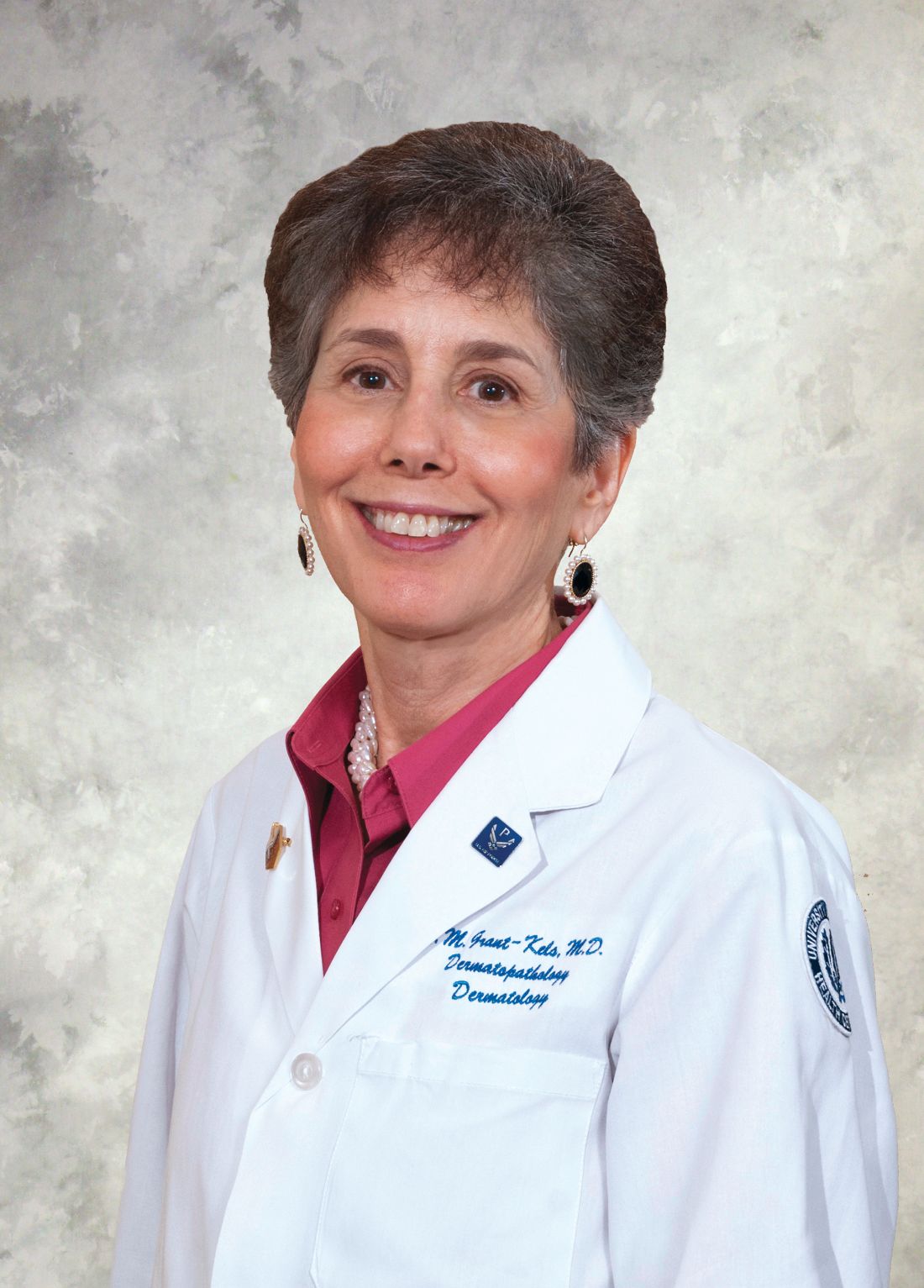
“Have we learned nothing from dermatopathology, which has been ruined” by private equity, she asked. “The only ones who benefit are those making the private equity investments.” She cited similar, recently published views from other dermatologists, such as a recently published viewpoint article written by Jack S. Resneck Jr., MD, professor of dermatology, University of California, San Francisco (JAMA Dermatol. 2018 Jan 1;154[1]:13-4).
Dr. Perlis and Dr. Grant-Kels had no disclosures. They spoke during a session on dermatoethics at the AAD annual meeting. In an interview, Dr. Perlis said that his own personal views on this topic are far more nuanced.*
*This article was updated on April 4, 2018.

