
Consider five factors when selecting laser or peel



AT THE AACS ANNUAL MEETING
Thin skin is easier to treat with peels, and lasers are safer to use on thick skin, she said. Thicker skin can be treated with peels, but requires the application of more solution. “It’s harder to get results when doing a peel on thick skin, so I prefer to do laser resurfacing,” said Dr. Obagi. “On thin skin, I’d rather do a chemical peel and save the laser for the areas that really need it.”
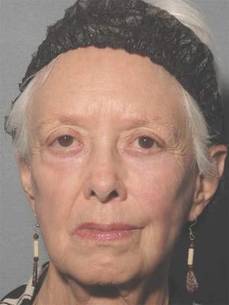
When evaluating the anatomic area of the skin to be treated, remember that lasers cannot be used on certain parts of the face, noted Dr. Obagi. The areas around the hairline, eyes, ears, and neck pose the most risk when using lasers. “If you laser around the eyebrows, you’ll burn them off; if you laser the neck, you sometimes learn the hard way that the neck isn’t very forgiving,” she said.
Finally, consider the number of treatments needed to achieve the desired result in conjunction with the number of treatments a patient is willing to go through, Dr. Obagi said. Fractionated lasers, by definition, do not treat 100% of the skin in one session; they cover 20%-40% of the skin surface, and multiple treatments are recommended for optimal results. Each treatment requires 5-7 days of recovery time, and pain can be managed with oral and local anesthesia.
“When using lasers, I prefer to treat more aggressively with fewer sessions,” she added.
Conversely, medium-depth peels are suitable for all skin types and anatomic areas and cover 100% of the skin being treated. Optimal results can usually be achieved in one session followed by 7 days of recovery time. Pain is managed with oral sedation, and the whole face can be treated in 20-30 minutes, noted Dr. Obagi.
Additionally, medical conditions such as autoimmune diseases, and social habits such as smoking should be considered when choosing a treatment, as these conditions can affect healing time.
Dr. Obagi reported serving on the scientific advisory board for Valeant Pharmaceuticals.

