
SVS officer corps on the record: priorities, opportunities and a few revealing facts


Dr. Lawrence: I’ve learned through years of gradually increased involvement in SVS that this is an organization that will thrive only when members get involved. We have a great staff and support team in Chicago, but there is no management team that can run the society for us. SVS has thrived, and will continue to thrive in the future, as people recognize they have an opportunity to participate, but also a responsibility. Our society will only be as strong as our members make it.
Getting to know SVS Officers Drs. Fairman, Hodgson, Makaroun and Perler
Drs. Fairman, Hodgson, Makaroun and Perler shared their thoughts about what they hope to contribute as officers.
What opportunities are you most excited about for SVS?
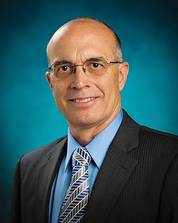
Dr. Makaroun: The SVS is becoming the recognized leader in vascular education and research, the prime advocate for excellence in care delivery for vascular patients, and a representative of the entire vascular workforce not only in the U.S., but across the world.
Dr. Fairman: I am particularly impressed with how the SVS VQI has matured in such a relatively short period of time. I also am enthusiastic about the importance of the SVS Foundation in kick-starting the academic careers of our young academic members.
Dr. Perler: Today, as practitioners in multiple fields are engaged in treating circulatory disease, there is no question that the SVS has an enormous opportunity, and I would argue responsibility, to brand the specialty—to educate the public, referring physicians, administrators and payers about the unique and distinctive competencies of vascular surgeons that distinguish us from the competition.
Dr. Hodgson: The SVS represents the only physicians who can truly offer patients all of the possible options to treat their vascular disease and, therefore, treat vascular patients in the most individualized and unbiased manner. That, along with initiatives such as the VQI, puts the SVS in a leadership position for the management of vascular disease in the outcomes-driven world we are entering.
Serving as an SVS officer is a huge investment of time—what motivates you?
Dr. Hodsgon: The opportunity to have a positive impact on the success and future of my specialty.
Dr. Fairman: Candidly, it is highly stimulating, broadens my career experiences and positions me to enhance the development of younger faculty.
Dr. Makaroun: I actually view it as an honor. The SVS and vascular surgery have given me a lot, and it is only appropriate to give back. It does require time to be an officer, but countless other members give just as much to the society. It is truly inspiring to see how many vascular surgeons give freely of their time to the SVS and our specialty without asking for anything in return, not even recognition for the effort.

