
More Patients Pick Acupuncture


Practical Aspects
Acupuncture treatments are extremely time efficient and require minimal equipment. They can be administered with the patient in the recumbent position or sitting upright. For initial sessions, I prefer the former, especially for younger males, who are more prone to vasovagal reactions. Any of several different methods of acupuncture can be used to stimulate points. In addition to needling, acupuncture can be conducted by electro-acupuncture, moxibustion, cupping, scraping, tapping, acupressure, or laser.
Most inpatient referrals are for pain management. Other common indications include post-operative or chemotherapy-induced nausea (emesis), anxiety, and prevention of withdrawal symptoms from narcotics.
Acupuncture Safety
Overall, acupuncture is a safe treatment method. Many large studies have confirmed that most types of acupuncture have a low rate of complications and that most of these complications are transient and minor in nature.28,29 They are incident-reporting studies, however, and have the limitations inherent in these studies. Nausea, dizziness, bruising, and needle pain are some of the most commonly reported. The rare but serious adverse events, such as pneumothorax, usually occur as a result of the practitioner’s poor training or technique.30
Future of Acupuncture
Public acceptance of, and demand for, acupuncture for pain relief is increasing. Additional clinical studies are needed, however, to expand the types of conditions for which acupuncture may be useful. It is essential to maintain a constant focus on safe practice, which would be aided by the establishment of a standardized accreditation and training system. Hospitals need to establish uniform credentialing guidelines similar to those for other procedures that require evidence of medical competence and safety.31
In February 2005, the Federal Acupuncture Coverage Act was introduced to Congress. If enacted, the measure would allow acupuncture to be covered under Part B for Medicare recipients.
The trend toward an integrated approach to patient therapy in large academic medical institutions is encouraging. The incorporation of the teaching of acupuncture within the current medical school curricula would no doubt complement this approach. TH
ACUPUNCTURE METHODS
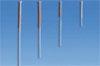
Needles
Stainless steel, disposable needles are most commonly used. They vary in length from a few millimeters to needle ear points to as long as 6 inches and are used to treat deeper tissue points on the back. The depth of insertion is variable, and they are typically inserted for five to 25 minutes.
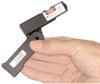
Electro-acupuncture involves connecting the needles to a battery-powered device that passes a low current into them. This provides a more powerful analgesic effect.26 Insertion is effected by a swift downward stroke followed by gradual advancement until the patient experiences “de Qi.” This term describes a variety of sensations experienced at the needle tip, such as tingling or mild aching. Absolute contraindications to electro-acupuncture include fever and hypotension. Relative contraindications include the use of a pacemaker, the presence of epilepsy or pregnancy, and uncontrolled anticoagulation therapy.
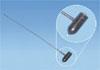
Tapping
This procedure utilizes a flexible hammer that has tiny dermal needles at one end. The acupuncture points are tapped repetitively for several minutes. There are no reliable studies comparing the efficacy of this method with needling.
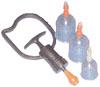
Cupping
This method involves applying a vacuum suction to cups that have been placed over acupuncture points. There are no randomized trials to support the efficacy of this treatment.
Acupressure
This is a popular and simple treatment employing the application of pressure to acupuncture points with the thumbs. Studies on its efficacy have been less than convincing.32
Gua Sha
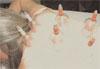
A traditional practice employed less commonly in the U.S., but popular in the Far East. Ceramic or metal spoons are used to abrade the skin overlying the acupuncture points; this results in a hyperemia that warms them. Bleeding over a wide area can occur and may cause infection.
Moxibustion
This practice uses an herb, Artemia vulgaris, that burns at a low temperature and delivers heat to the points. Traditionally, it was wrapped around the needle head after insertion to enhance the analgesic effects of acupuncture. More modern methods employ a “cigar” held above them. Its use is limited by its unpleasant odor and the risk of skin burns, in addition to the lack of reliable data supporting its efficacy.
Lasers
This practice is gaining in popularity because it is easy and painless to apply. Optical stimulation of acupuncture points using handheld devices has a theoretical basis, but is not, at this time, backed by any large, reliable clinical trials. A large meta-analysis of the use of low-intensity laser for musculoskeletal pain did not show this method to be efficacious.27 More research is needed about laser acupuncture.

