
HM Turns 20: A Look at the Evolution of Hospital Medicine


Dr. Gandhi, who was finishing her second year of residency at Duke Medical Center in Raleigh, N.C., when the NEJM paper was published, sees the acuity of patients getting worse in the coming years as America rapidly ages. Baby boomers will start turning 80 in the next decade, and longer life spans translate to increasing medical problems that will often require hospitalization.
And while hospitalists have already moved into post-acute-care settings, Dr. Bessler says that will become an even bigger focus in the next 20 years of the specialty.
“It’s not generally been the psyche of the hospitalist in the past to feel accountable beyond the walls of the hospital,” he says. “But between episodic care [and] bundled payments … you can’t just wash your hands of it. You have to understand your next site-of-care decision. You need to make sure care happens at the right location.”
At a time of once-in-a-generation reform to healthcare in this country, the leaders of HM can’t afford to rest on their laurels, says Dr. Goldman. Three years ago, he wrote a paper for the Journal of Hospital Medicine titled “An Intellectual Agenda for Hospitalists.” In short, Dr. Goldman would like to see hospitalists move more into advancing science themselves rather than implementing the scientific discoveries of others. He cautions anyone against taking that as criticism of the field.
“If hospitalists are going to be the people who implement what other people have found, they run the risk of being the ones who make sure everybody gets perioperative beta-blockers even if they don’t really work,” he says. “If you want to take it to the illogical extreme, you could have people who were experts in how most efficiently to do bloodletting.
“The future for hospitalists, if they’re going to get to the next level—I think they can and will—is that they have to be in the discovery zone as well as the implementation zone.”
Dr. Wachter says it’s about staying ahead of the curve. For 20 years, the field has been on the cutting edge of how hospitals treat patients. To grow even more, it will be crucial to keep that focus.
Hospitalists need to continue to take C-suite positions at hospitals and policy roles at think tanks and governmental agencies. They need to continue to master technology, clinical care, and the ever-growing importance of where those two intersect.
Most of all, the field can’t get lazy. Otherwise, the “better mousetrap” of HM might one day be replaced by the next group of physicians willing to work harder to implement their great idea.
“If we continue to be the vanguard of innovation, the vanguard of making the system work better than it ever has before,” Dr. Wachter says, “the field that creates new models of care, that integrates technology in new ways, and that has this can-do attitude and optimism, then the sky is the limit.” TH
Richard Quinn is a freelance writer in New Jersey.
References
- Diamond HS, Goldberg E, Janosky JE. The effect of full-time faculty hospitalists on the efficiency of care at a community teaching hospital. Ann Intern Med. 1998;129(3):197-203.
Year of the Hospitalist: Opinions
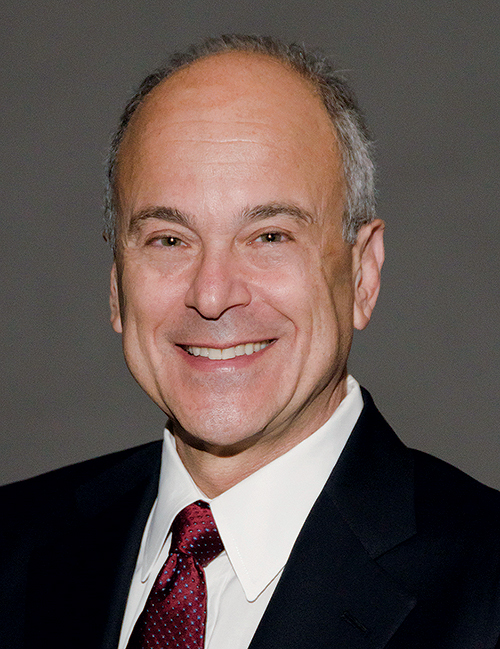
“The emergence of the field of hospital medicine has been one of the most important developments for quality of care in hospitals over the past 20 years. Taking full advantage of this opportunity will require the field to broaden its focus from one that primarily emphasizes the care of patients while they are hospitalized to one that encompasses patients’ full trajectories through the continuum of care. To realize their full potential as quality improvement leaders, hospitalists will need to position themselves as experts in health system quality and safety. Specifically, they will need to take ownership of the vital processes of effectively communicating across transitions of care.”
—Mark Chassin, MD, FACP, MPP, MPH, president and chief executive officer of The Joint Commission
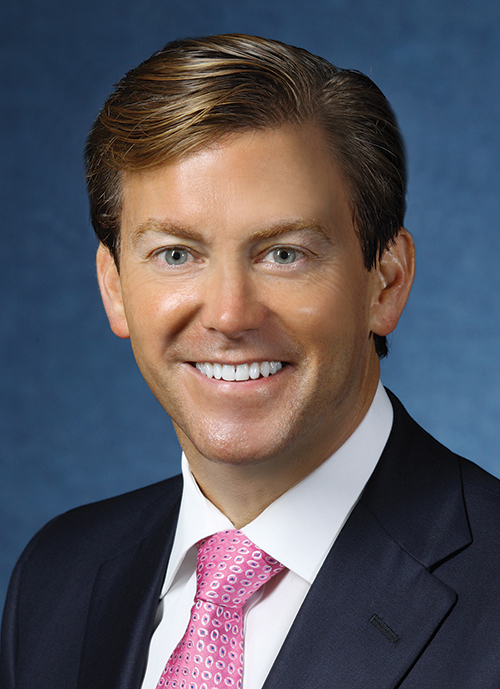
“The hospitalist movement has been a remarkable success. I heard of it from my friend Bob Wachter and since then have learned much from him and many others. … Hospitalists have and will continue to play a key role in improving patient safety, quality, patient experience, value, and healthcare equity. SHM has taken a leadership role to help ensure hospitalists have the skills and resources to do this.”
—Peter Pronovost, MD, PhD, FCCM, senior vice president for patient safety and quality at Johns Hopkins Medicine in Baltimore
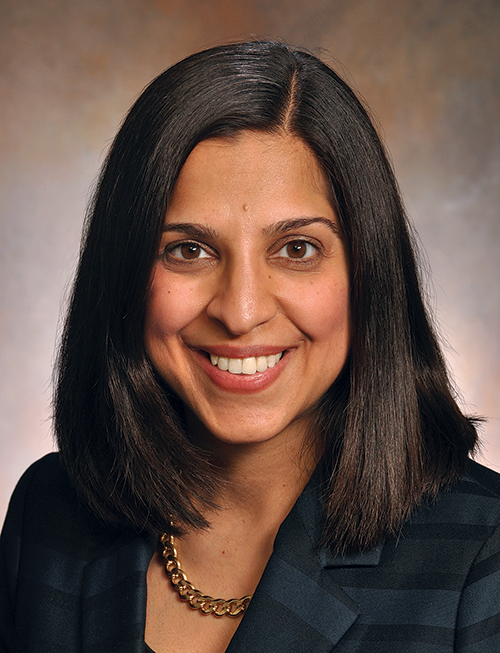
“I think the future of hospitalists is actually outside of the hospital and helping to keep patients healthy. Hospitalists are really good at taking care of the most sick, complex patients who are at the highest risk of healthcare utilization. While hospitalists predominantly do this for patients in the hospital, hospitalists are starting to play a larger role in post-acute care and trying to target interventions to improve health for high-risk patients. Not surprisingly, we are starting to see extensivist models, including Comprehensive Care Physicians, grow out of existing hospitalist groups.”
—Vineet Arora, MD, MAPP, FHM, associate professor, University of Chicago

“I’ve been continually surprised at the growth of the field and SHM. My view has evolved from ‘Is this for real?’ to ‘How can hospital medicine make healthcare better for patients on a broad scale?’ The latter view has gone through iterations. We witnessed HM make hospitals more efficient, then we saw hospitalists drive safer, less harmful care. Most recently, hospitalists are embarking on deep change through alternative payment models like bundled payments. In terms of SHM, we endeavored to keep a ‘big tent’ since the many flavors of hospitalists all are united by a deep conviction to make hospitals safer, kinder, and higher-functioning places for the people inhabiting them—patients, caregivers, healthcare professionals. I’m humbled and gratified that we have been able to keep SHM a viable home for all hospitalists after 20 years.”
—Win Whitcomb, MD, MHM, chief medical officer of Remedy Partners, Darien, Conn.

“My first exposure to hospital medicine was through Drs. Chris Landrigan and Vinny Chiang as an intern in Boston. I was impressed by their clinical mastery and teaching. I then did my first research project with Chris, which led to a publication in Pediatrics. I had previously thought about intensive care or emergency medicine for fellowship, but I was excited about the general nature, growth opportunity, and ability to drive health system change in hospital medicine. I think that growth and ability to drive health system change in hospital medicine has grown exponentially since I finished residency, so the field has more than lived up to its potential and has more room to grow in terms of impact.”
—Patrick Conway, MD, MHM, MSc, CMS’s chief medical officer and deputy administrator for innovation and quality
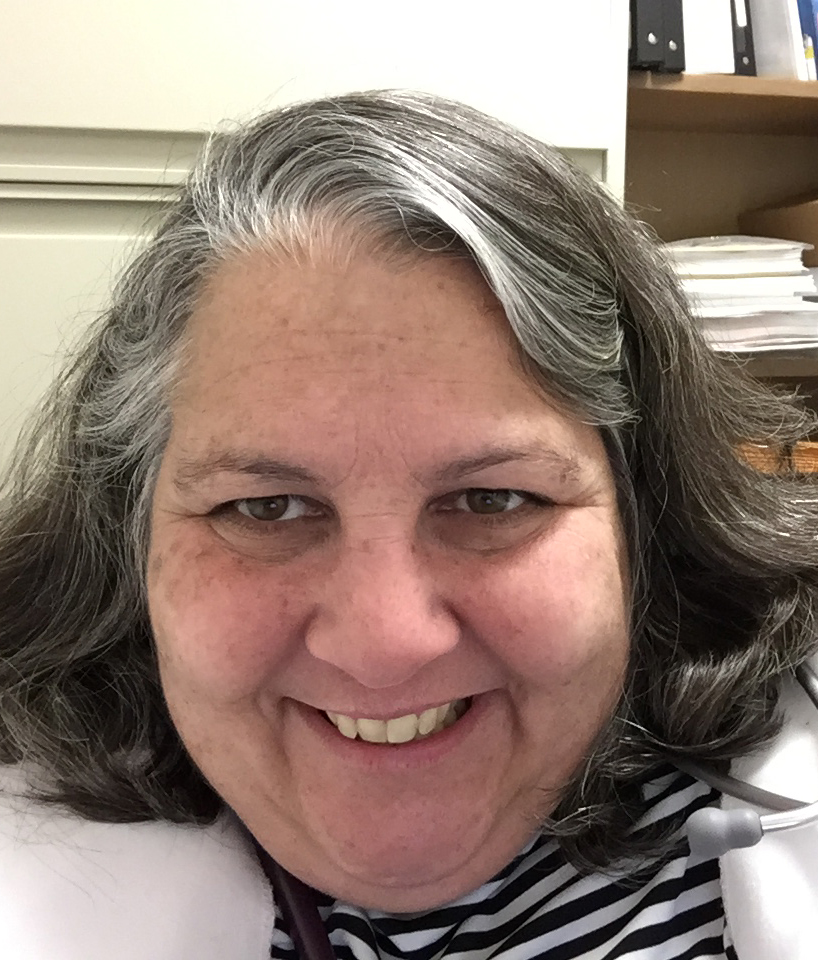
“As I was finishing my residency in the mid 1990s, I told folks I wanted to find a job ‘only doing inpatient medicine.’ People laughed at me. Within five years, hospitalist medicine was developing on the East Coast, and people were no longer laughing. … Hospitalists will be at the center of this brave new world [of episodic care] since they assist in the liaising between patient, PCP, specialist, and acute-care provider. It is incumbent upon us to help explain things in a manner easily understood by the patient and to be committed to high-quality care with an eye for value and cost containment.”
—Jill Slater Waldman, MD, SFHM, Team Hospitalist member and medical director of the adult hospital service at Phelps Memorial Hospital, Sleepy Hollow, N.Y.
—Richard Quinn


