
Generation Next


Gretchen Henkel is a freelance writer based in California.
References
- Krugman SD, Suggs A, Photowala HY, et al. Redefining the community pediatric hospitalist: the combined pediatric ED/inpatient unit. Ped Emerg Car. 2007;23(1):33-37.
- Likosky D. Is it time for neurohospitalists? Neurology. 2009;72(9):859-860.
- Maa J, Carter JT, Gosnell JE, et al. The surgical hospitalist: a new model for emergency surgical care. J Am Coll Surg. 2007;205(5):704-711.
- Wald H, Huddleston J, Kramer A. Is there a geriatrician in the house? Geriatric care approaches in hospitalist programs. J Hosp Med. 2006;1(1):29-35.
Unique Factors Propel Proliferation of “ists” at Washington Hospital
By Gretchen Henkel
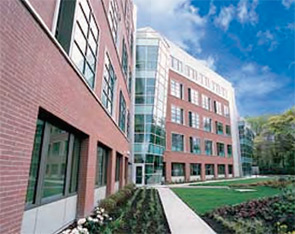
“Ists” are multiplying at Providence Regional Medical Center in Everett, Wash. (PRMCE), about 25 miles north of Seattle. The medical hospitalist team manages 90% of the hospital’s medical patients and comprises 34 FTEs, with nocturnists and a palliative-care service; other in-house services include general surgery hospitalists, critical-care hospitalists, orthopedic hospitalists, neurology hospitalists, pediatric hospitalists, and obstetrics hospitalists.
So many “ists” under one roof is unusual for a community-based medical center. One reason for the trend is a highly successful hospitalist program that’s caused other specialists to take notice of the increase in quality metrics and job satisfaction.
“For some reason, we were blessed with an early decision by the hospitalists to acculturate themselves with the hospital’s mission,” says Joanne C. Roberts, MD, FACP, chief of the division of medicine, hospice, and palliative medicine at PRMCE.
The medical hospitalists quickly instituted standardization, quality, and utilization measures, and tied their performance to incentives, says HM medical director Jefferey S. Winningham, MD. For example, every hospitalist is required to leave voicemails for referring physicians upon admittance and discharge of their patients. A 95% compliance rate—validated by surveys of referring physicians—yields bonuses for the HM team.
Quality scores have increased dramatically since 2003, when the hospitalist program took off. PRMCE chief medical officer Larry Schechter, MD, says that the hospitalists’ success has increased the willingness of other specialists to adopt the HM model for delivering inpatient care.
Another factor in the swift adoption of specialist hospitalists: Except for the intensivist service—recipient of the American Association of Critical-Care Nurses’ 2008-2009 Beacon Award for Care Excellence—most of PRMCE’s programs are staffed with physician members of Everett Clinic, a large multispecialty group. “The secret of this community is the large medical groups,” Dr. Roberts says. “Everybody plays well together, especially at the senior leadership level.”
Fewer administrators means nimble decision-making, Dr. Schechter notes. Hospitalists’ internal teamwork is continuously reinforced through bimonthly team meetings; with hospital administrators in steering committee meetings, the hospitalist program has “set a high bar and brought the community together,” Dr. Winningham says.
As PRMCE grows—a new, 12-story tower is set to open in 2011—the hospital is poised to attain its mission of becoming a regional referral center. “To deliver quality at the lowest cost is a really serious enterprise,” Dr. Roberts says, “so getting the hospitalists engaged in that value proposition has been challenging but delightfully fun.”

