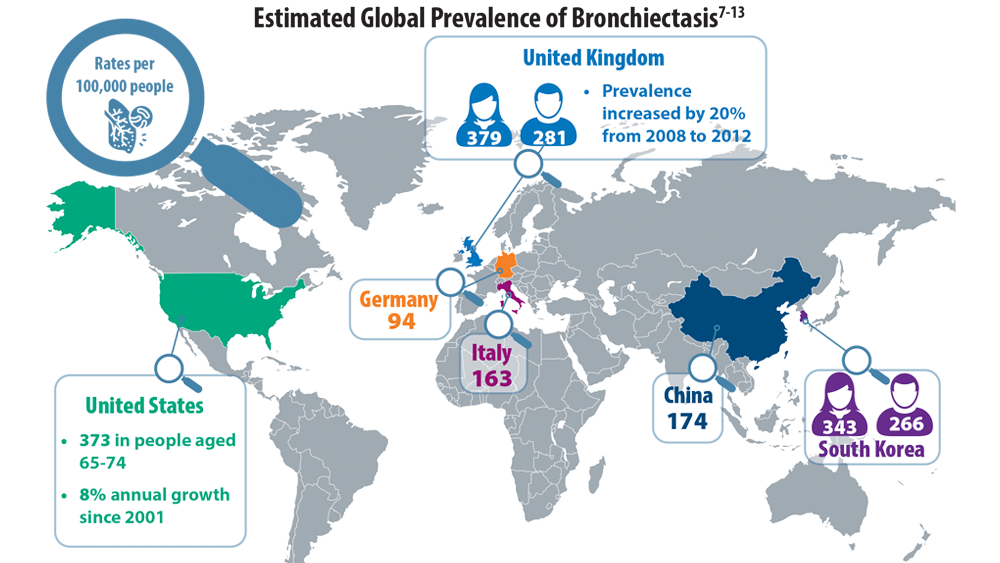
Bronchiectasis has historically been considered an uncommon and ofen neglected disease in respiratory medicine.1-3 Although bronchiectasis was previously thought to be an orphan disease, its incidence and prevalence have been on the rise since the early 2000s, and the disease is now estimated to affect between 0.25% and 0.5% of adults.2 This observed increase can be attributed at least partially to two key factors: growing use of CT scanning has allowed for higher detection of abnormal airways, and the global population is aging.2,4 Bronchiectasis is more common in elderly people, and the number of persons aged 65 and older is estimated to double by 2050.2,4
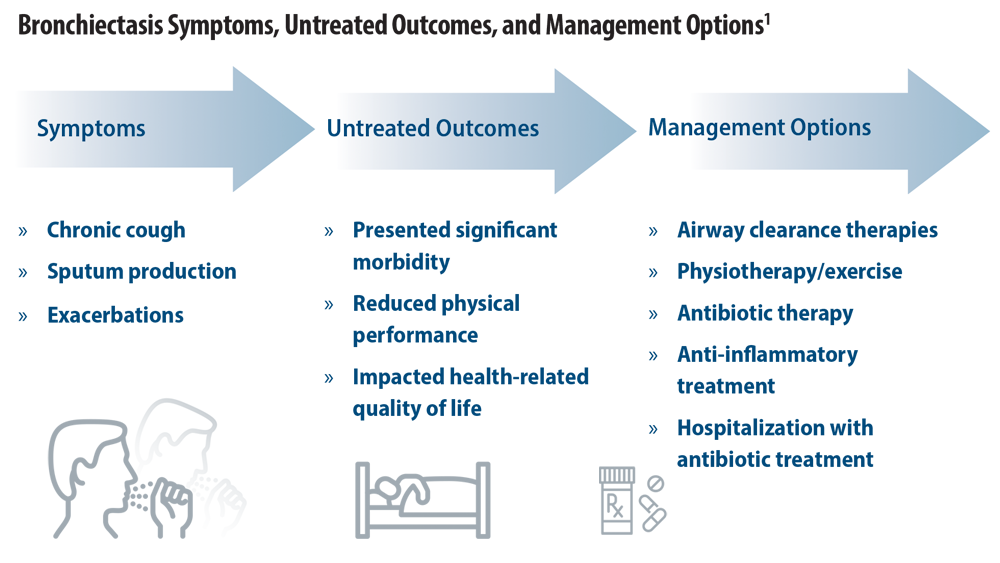
As bronchiectasis has become more widely recognized as a serious and prevalent condition, the need for clinical research and consensus in this area has also increased.2,5,6 In 2017, the European Respiratory Society released the frst international guidelines that provide recommendations for reducing exacerbations, symptoms, and risk for future complications, while improving quality of life.6
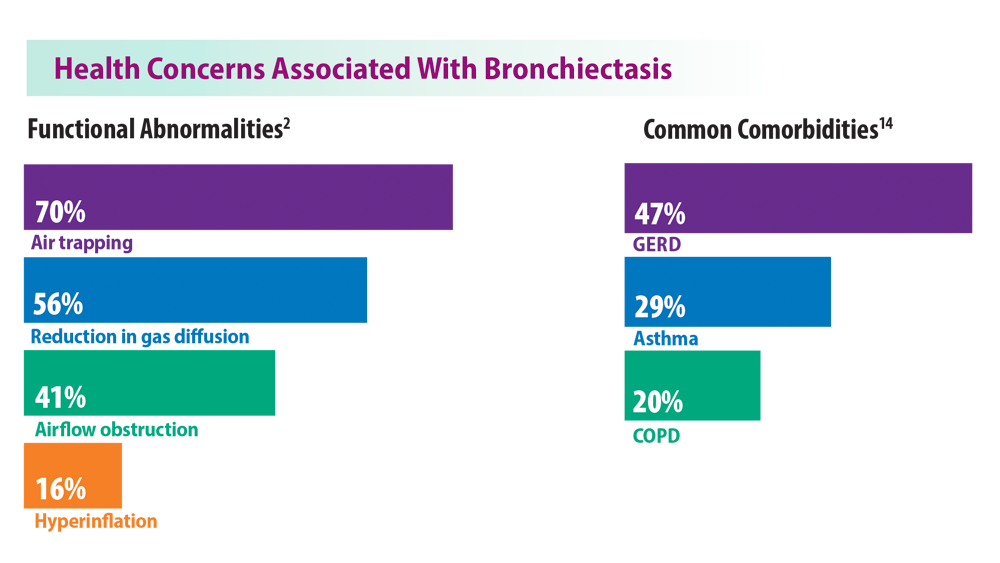
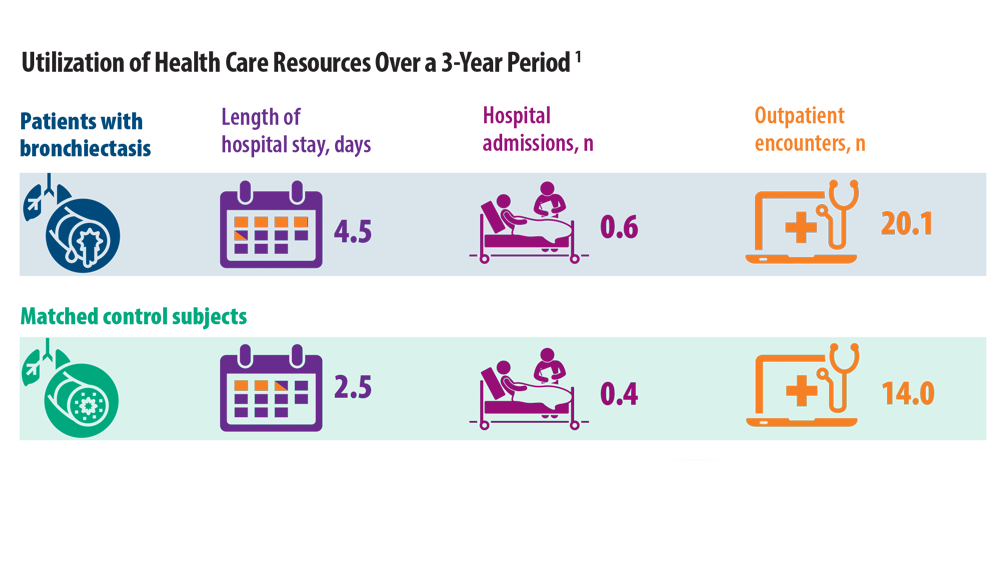
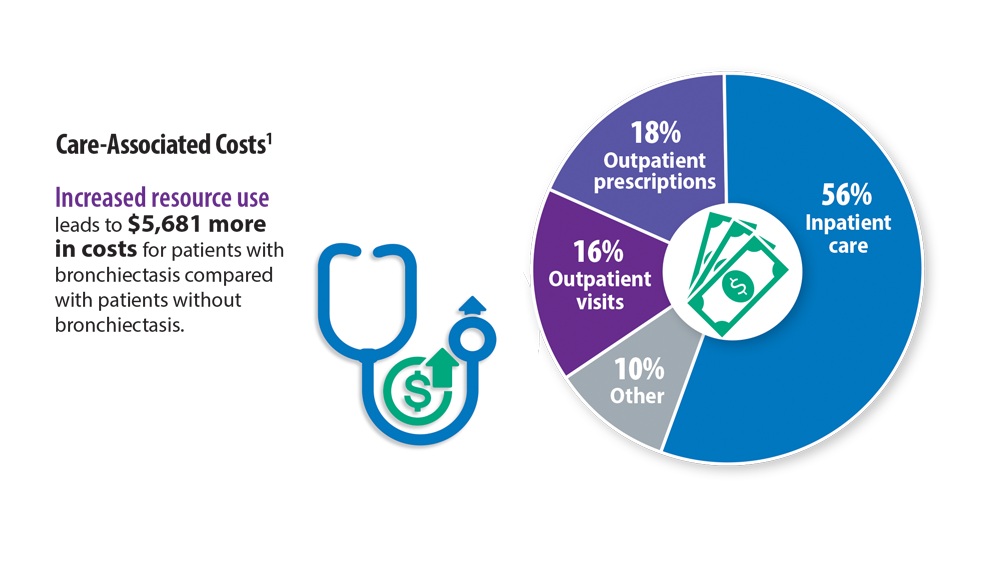
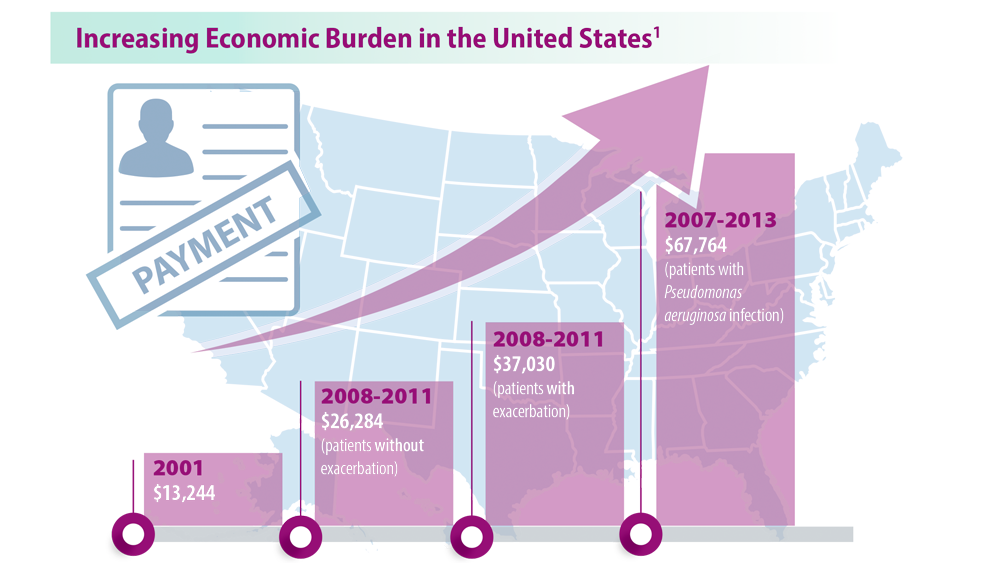
In 2022, clinicians are more equipped than ever to identify and treat bronchiectasis. However, the immense comorbidity and economic burdens that accompany this disease will continue to present challenges. Using a shared decision-making approach is important to understand and address each patient’s unique goals and concerns and, thus, optimize their health outcomes.