Music Therapy Increases Comfort and Reduces Pain in Patients Recovering From Spine Surgery


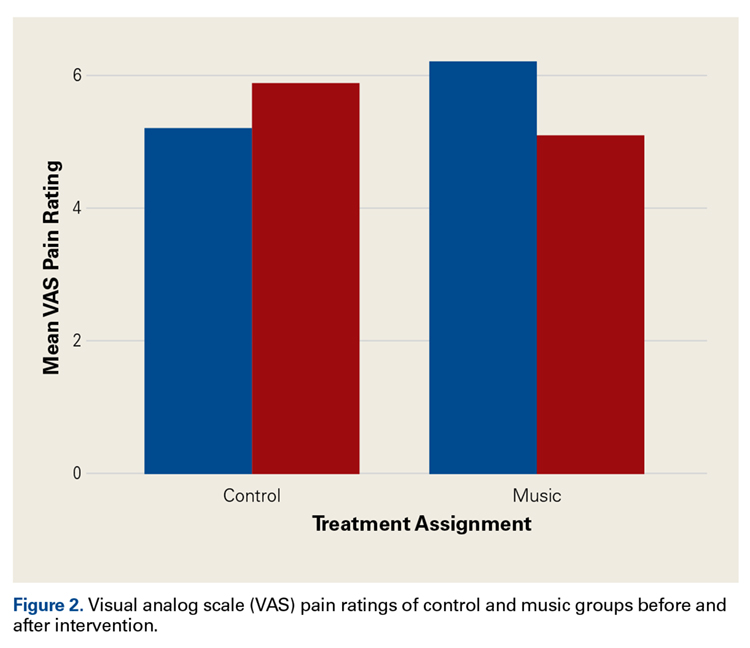
The treatment of pain continues to gain in saliency as a component of defining best practice in medical care. Music therapy is an integrative treatment modality that impacts patient outcomes in the treatment of spinal pain. At Mount Sinai Beth Israel, we conducted a mixed-methods study addressing the effects of music therapy interventions on the recovery of patients after spine surgery. The study combined standard medical approaches and integrative music therapy. Sixty patients (35 female, 25 male) ranging in age from 40 to 55 years underwent anterior, posterior, or anterior-posterior spinal fusion and were randomly assigned to either music therapy plus standard care (medical and nursing care with scheduled pharmacologic pain intervention) or standard care only. Measurements for both groups were completed before and after the intervention. Music therapy involved the use of patient-preferred live music that supported tension release/relaxation through incentive-based clinical improvisation, singing, and/or rhythmic drumming or through active visualization supported by live music that encompasses tension resolution. The control and music groups showed significant differences in degree and direction of change in the visual analog scale (VAS) pain ratings from before to after intervention (P = .01). VAS pain levels increased slightly in the control group (to 5.87 from 5.20) but decreased by more than 1 point in the music group (to 5.09 from 6.20). The control and music therapy groups did not differ in the rate of change in scores on Hospital Anxiety and Depression Scale (HADS) Anxiety (P = .62), HADS Depression (P = .85), or Tampa Scale for Kinesiophobia (P = .93). Both groups had slight increases in HADS Anxiety, comparable decreases in HADS Depression, and minimal changes in fear-related movement (Tampa scale).
VAS. With the VAS, images are used to rate pain. The scale has points labeled 0 to 10 and corresponding faces representing progression in pain intensity. The scale is quickly rendered and can be interpreted according to the patient’s recovery phase at time of rendering.
HADS. The HADS70 provides a specific baseline for anxiety and depression as an indicator of how the patient might fare during hospitalization (admission through recovery and discharge).
TSK. The TSK71 provides insight into the patient’s perception of fear-related movement, which is an important factor in this study because of the movement required for rehabilitation. We used a shortened version of the TSK to accommodate the sensitive threshold for pain tolerance and pharmacologic side effects commonly experienced by spine patients.
CAS. The CAS was developed at the Louis Armstrong Center for Music and Medicine to assess comorbidities and dynamic aspects of pain. Through a coloring exercise, patients illustrate their pain experience, which gives tangible form to the abstract experience of pain.
Coding
We collected patients’ demographic data, including age, sex, and diagnoses. Clinical indicators of the preoperative baseline included lifestyle, surgical history, and prior experience with music or other mind–body strategies for self-regulation.
As fundamental to qualitative methodology,72,73 the reported responses to questions were grouped into themes that were peer-tested with members of the research team before and during the coding process. 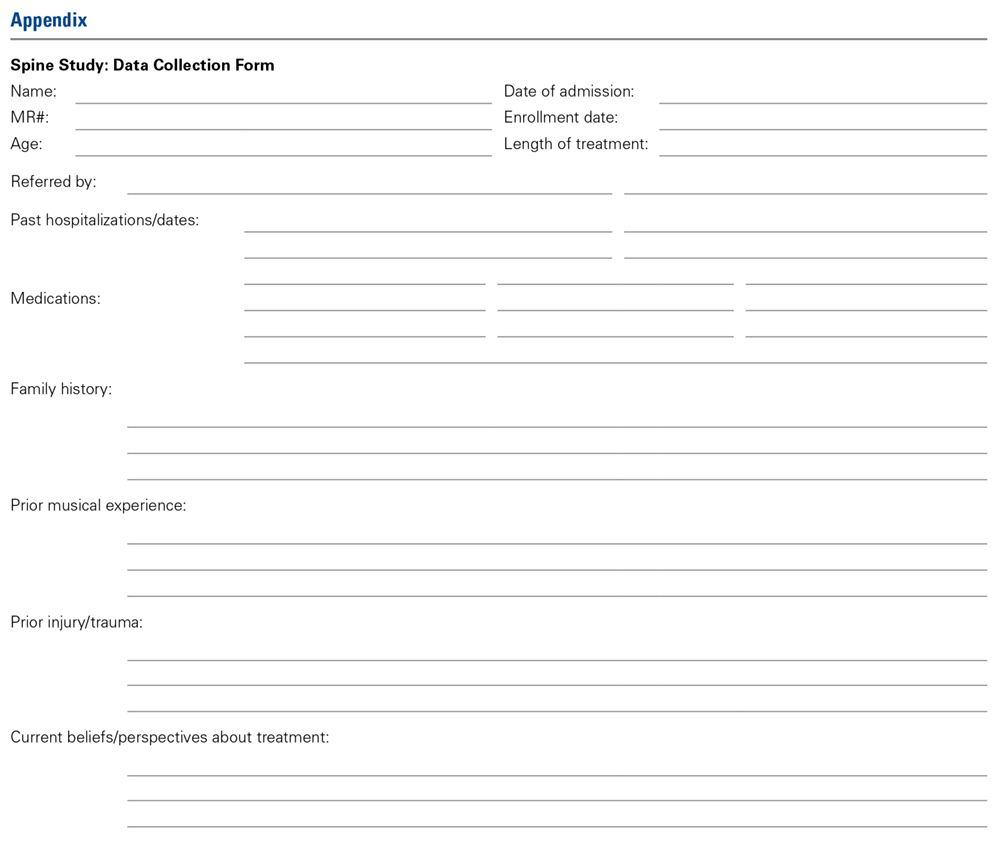
VAS, HADS, and TSK data were tabulated by blinded research assistants and analyzed by a statistician. Patients were identified by number assignment, and their data and personal information were kept confidentially stored.
Statistical Methods
Means and standard deviations were used for continuous variables, and frequencies (percentages) for categorical variables. All outcomes were analyzed on an intent-to-treat basis. Repeated-measures analysis of variance was used to compare changes in outcomes from before to after intervention for the music and control groups. In particular, a statistically significant Group (music vs control) × Time (before vs after intervention) interaction would support the hypothesis that there would be more benefit (less pain) in the music group as a result of the music therapy. For all tests, significance was set at P < .05. SPSS Version 20 (IBM) was used for all statistical analyses. Based on previously found differences in heart rate and mobility,31 we assumed an effect size of 0.71 for the difference between music and control (no music), which would require 32 patients per group to achieve a power of 0.8 with an α of 0.05.
Results
Of the 136 patients who were asked to participate in the study, 76 were not enrolled; the other 60 were equally assigned to either the control group or the music therapy group (n = 30 in each) according to randomization indicated by a blinded statistician (Figure 1). 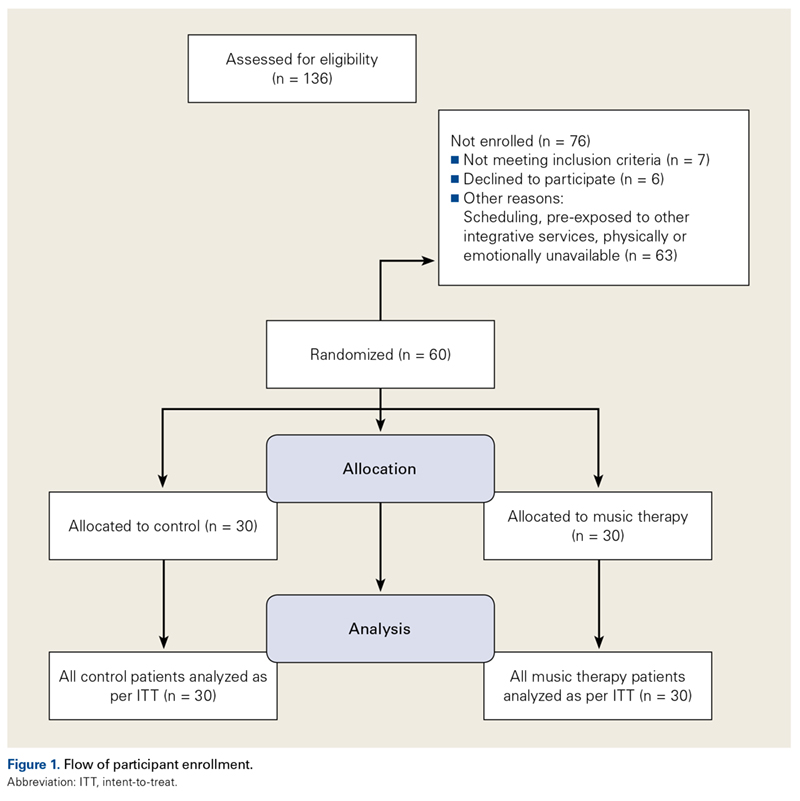
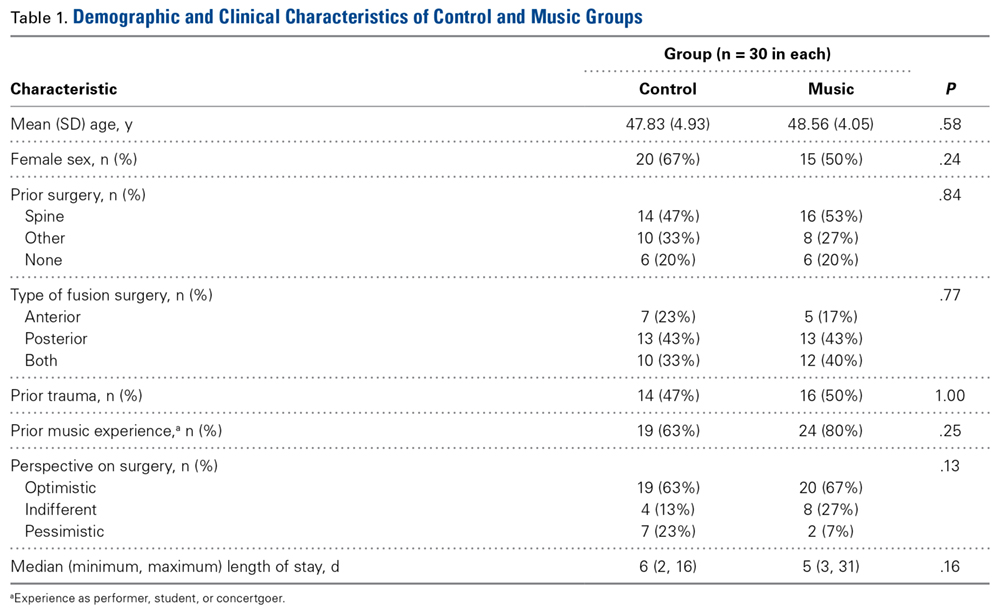
Table 2 lists the pre-intervention and post-intervention comparisons of the main outcomes between groups. 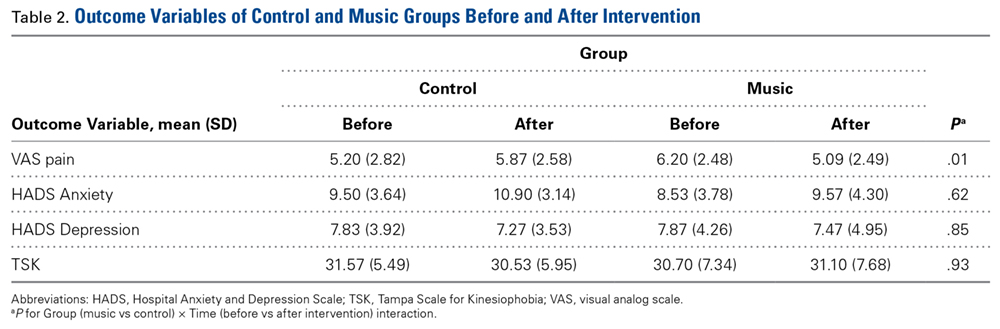
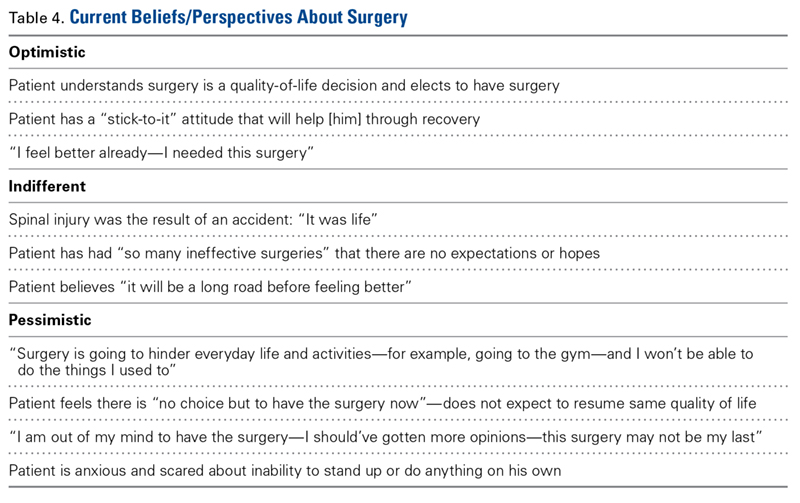
The emerging themes of the responses are listed in Tables 3 and 4 and are explained here:
Relationship with music was coded for significance and included reports of music as a resource accessed for stimulation and/or relaxation through listening; direct involvement with instrument playing; and history of music training. 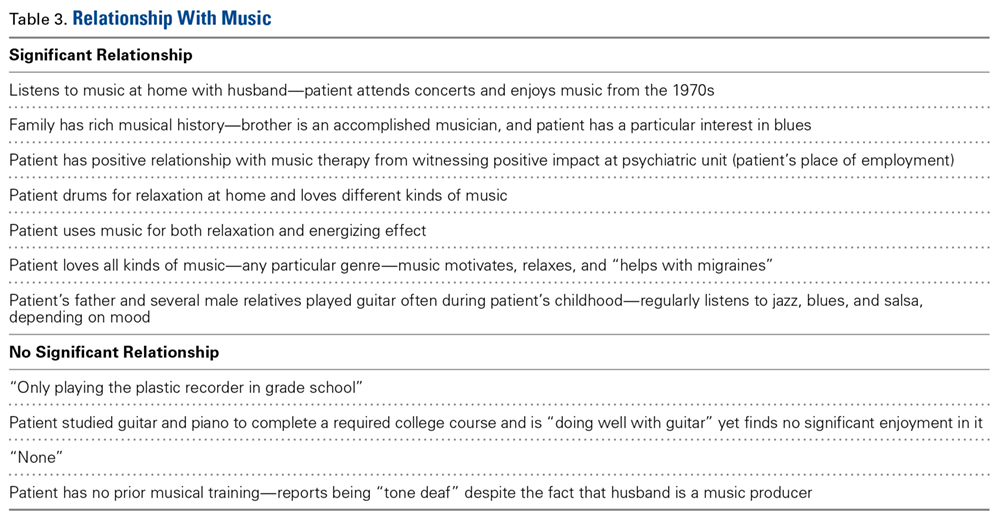
Perceptions of surgical outcome in patients’ responses were coded across 3 themes: (1) optimistic (belief and hope in returning to original baseline of functionality), (2) indifferent (neither hopeful nor cynical about results of surgery), and (3) pessimistic (belief that nothing will restore the quality of life that existed before the spinal condition).
The CAS helped us better understand the diversity and complexity of the pain experience.