
Health Reform Turns 1


And then there’s the matter of time. Because the act’s biggest provisions don’t go into effect until 2014, there are no made-for-media moments—like the large numbers of previously uninsured receiving health insurance cards—to counter the dire predictions that patients will lose their doctors. Instead, the White House has tried to make the most of smaller provisions now in effect, such as one that allows children to stay on a parent’s insurance until their 26th birthday, another that lifts the lifetime caps on insurance coverage, and a third that bans insurers from dropping children with pre-existing conditions (a video explaining what the ACA does and doesn’t do, produced by the Kaiser Family Foundation, is available at https://healthreform.kff.org/The Animation.aspx).
In mid-January, on the eve of the House vote to repeal the entire act, the White House released an HHS study to bolster its contention that the law will eventually aid tens of millions, and, conversely, that any repeal would harm them (www.healthcare.gov/center/reports/preexisting.html). The study estimates that 50 million to 129 million Americans under the age of 65 have pre-existing conditions that would, theoretically, make it harder for them to buy insurance in the absence of regulations requiring coverage. But the study also reports that up to 82 million of these people already have employer-provided insurance, meaning they wouldn’t be affected either way unless they switch jobs or become unemployed.
The White House’s case has been made harder by the confluence of a poor economy, growing concern over the deficit, and the ongoing battle over whether and how to fix the Medicare reimbursement rate paid to doctors, according to Blendon. When the rate paid to doctors temporarily nosedived last June, stories about doctors refusing to see Medicare beneficiaries proliferated among alarmed seniors (Congress eventually passed another short-term patch). The memory of that lack of medical access is now being conflated with the potential side effects of the new law by the constituency most likely to vote (seniors) and most skeptical in general about healthcare reform.
Legal Limbo
More than half the states have now joined lawsuits challenging the ACA’s constitutionality. In the first of what observers expect to be a multitude of legal decisions, federal judges in two cases upheld the law, and the individual mandate requiring people to buy health insurance was ruled unconstitutional in a third.
Ultimately, most experts believe the Supreme Court will have the final say, likely before the 2012 elections. Ku says analysts already are talking about a possible 5-4 decision, with Justice Anthony Kennedy as the potential swing vote—though so far, he’s given no clear hints about which way he may be leaning. Even if the individual mandate component is struck down, Ku says, the court could uphold everything else, changing its overall impact but not the implementation of most provisions. TH
Bryn Nelson is a freelance medical writer based in Seattle.
Key Players in the Healthcare Debate
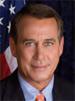
John Boehner (R-Ohio), the new Speaker of the House, is the public face of many Republican talking points on healthcare reform and the leader in trying to maintain a unified front against the existing law.
Paul Ryan (R-Wis.), chairman of the House Budget Committee and a senior member of the Ways and Means Committee, delivered the GOP response to President Obama’s State of the Union address. He will help the party craft a coherent ACA alternative.
Many conservative “Blue Dog” Democrats either actively opposed the law or stayed silent about it—and got routed in November anyway. Most remaining Blue Dogs have since rejoined the party in highlighting the ACA’s benefits. If Republicans pass an alternative measure, it would need to attract some Democratic support to be seen as bipartisan.

Although Sen. Majority Leader Harry Reid (D-Nev.) is opposing any attempt to bring up a vote on repealing the law, Minority Leader Mitch McConnell (R-Ky.) has kept the pressure on, vowing to find a way to force a vote on repealing what he told Fox News Sunday was “the single worst piece of legislation passed in my time in the Senate.” Obama was criticized by other Democrats for not being more vocal about healthcare reform’s benefits in the leadup to the November elections. The repeal effort gives him another chance to make his case.
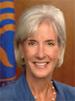
HHS Secretary Kathleen Sebelius likely will testify repeatedly in hearings called by the Republican leadership to scrutinize how the law is being implemented.
Supreme Court Justice Anthony Kennedy, appointed by President Reagan, is expected to be the swing vote in a closely divided court. The issue: whether an individual mandate requiring people to buy insurance is constitutional. So far, he has given little indication as to how he might rule.
—BN

