
Gender equity in surgery: It’s complicated


We have only recently begun to acknowledge and attempt to dispel implicit bias and much work remains to be done if we are to reach a level playing field that is gender neutral. The book, “Why So Slow?” by Virginia Valian (Cambridge, Mass.: The MIT Press, 1998) offered valuable insights that helped me understand why we behave as we do and how our departments and institutions might become more equitable to all. Women tend to underrate their abilities and attribute their success to luck rather than superior performance, to believe that they are less qualified for higher pay or promotion than men are, and to be less assertive than men in negotiations. It will require conscious vigilance and effort by both sexes as well as by institutions themselves to educate all about the criteria necessary for advancement. Institutions need to develop training for all in recognizing and eliminating implicit bias, and in implementing clear and explicit criteria for compensation and promotion, making sure that all faculty are educated to understand what those criteria are.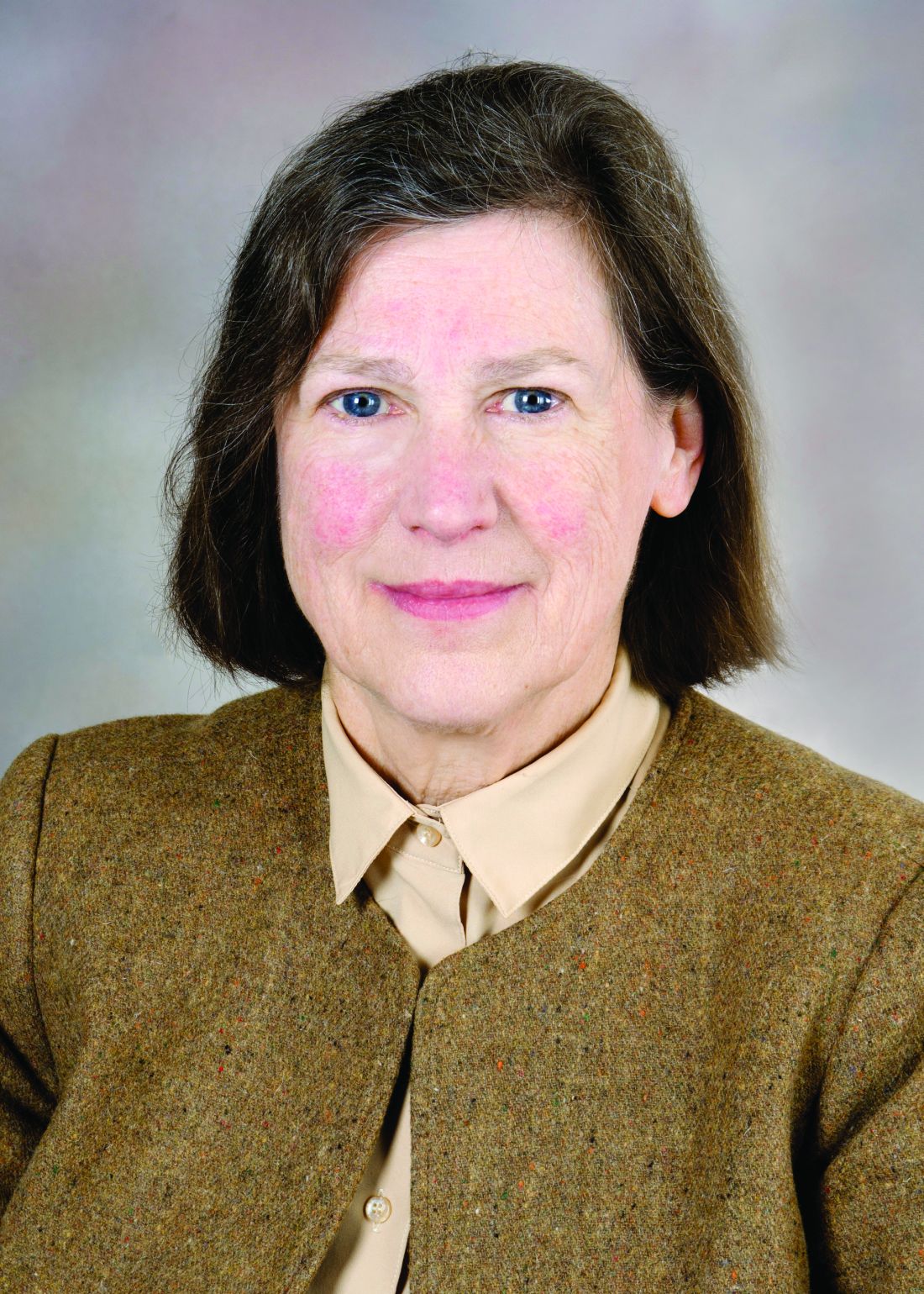
Dr. Deveney is professor of surgery and vice chair of education in the department of surgery, Oregon Health & Science University, Portland. She is the coeditor of ACS Surgery News.

