An estimated 16 million Americans have been diagnosed with chronic obstructive pulmonary disease (COPD), which is the fourth leading cause of death in the United States.1 Many of the health disparities in COPD diagnosis and care stem from the usual suspects: racial and ethnic barriers, lack of access, and socioeconomic burdens. Overall, COPD affects about 6.1% of Black Americans and 6.3% of non-Hispanic White Americans.2
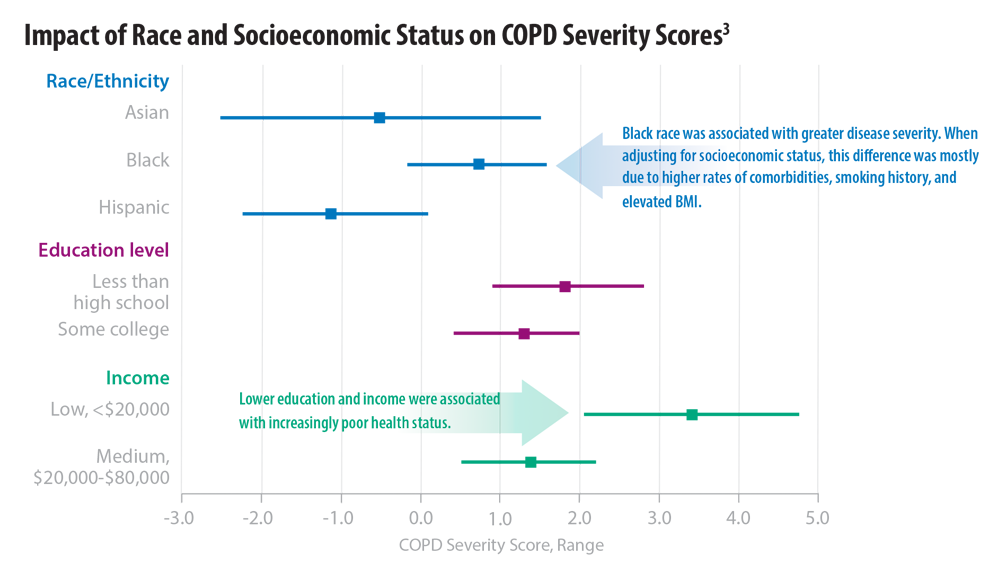
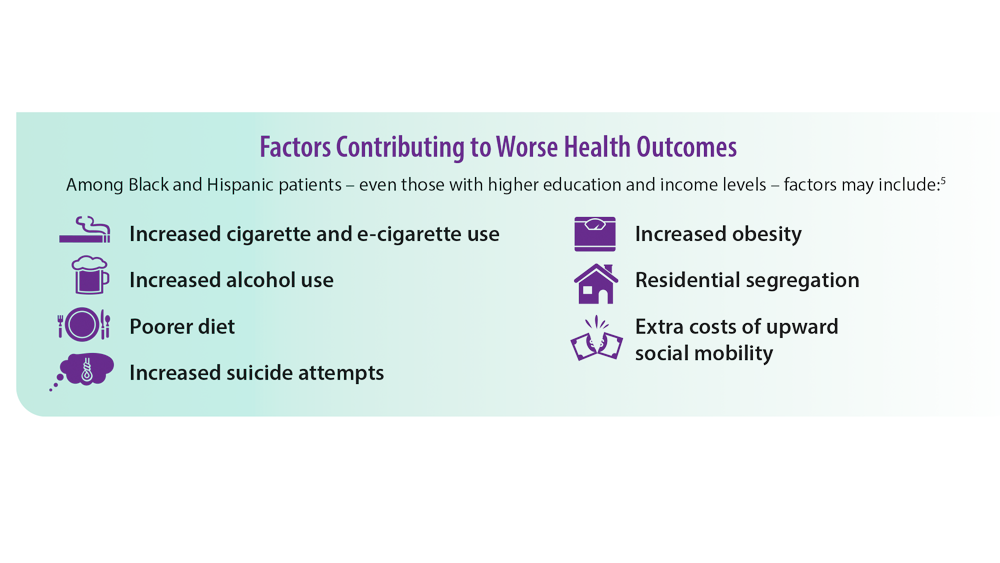
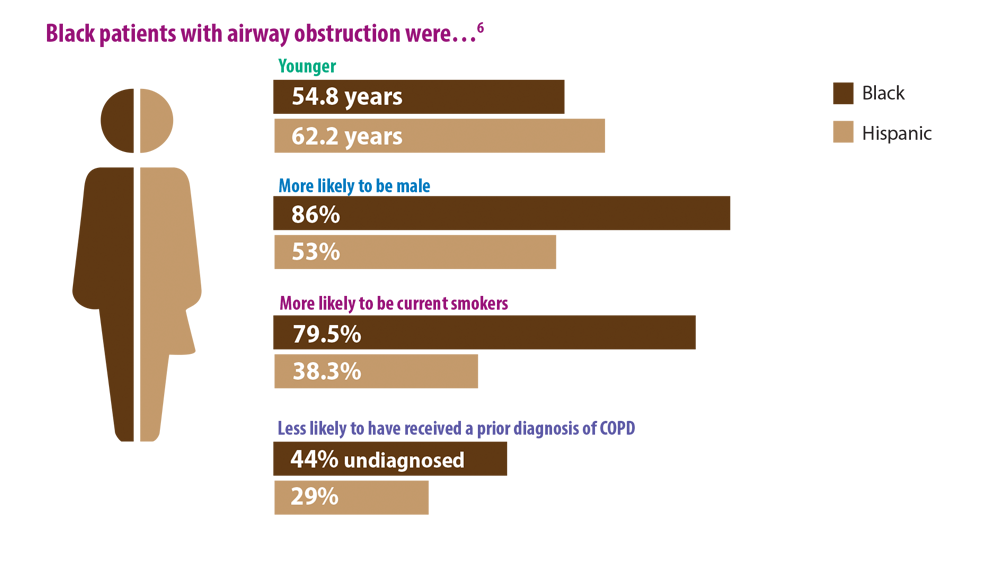
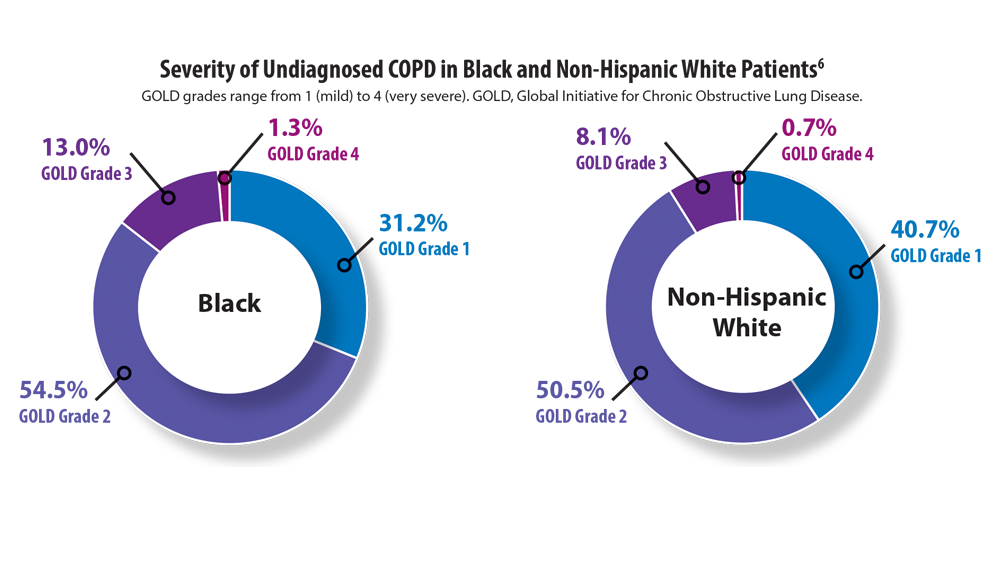
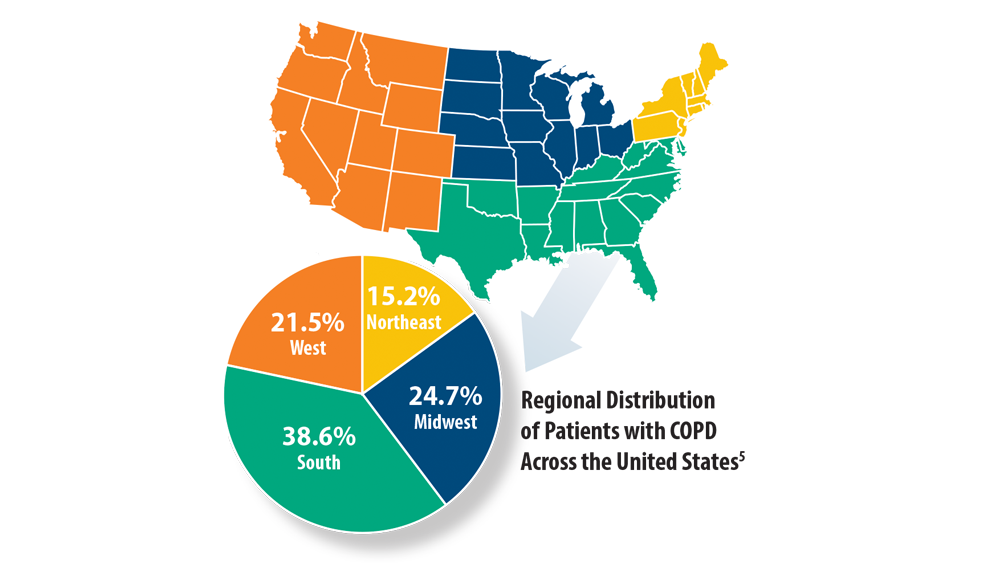
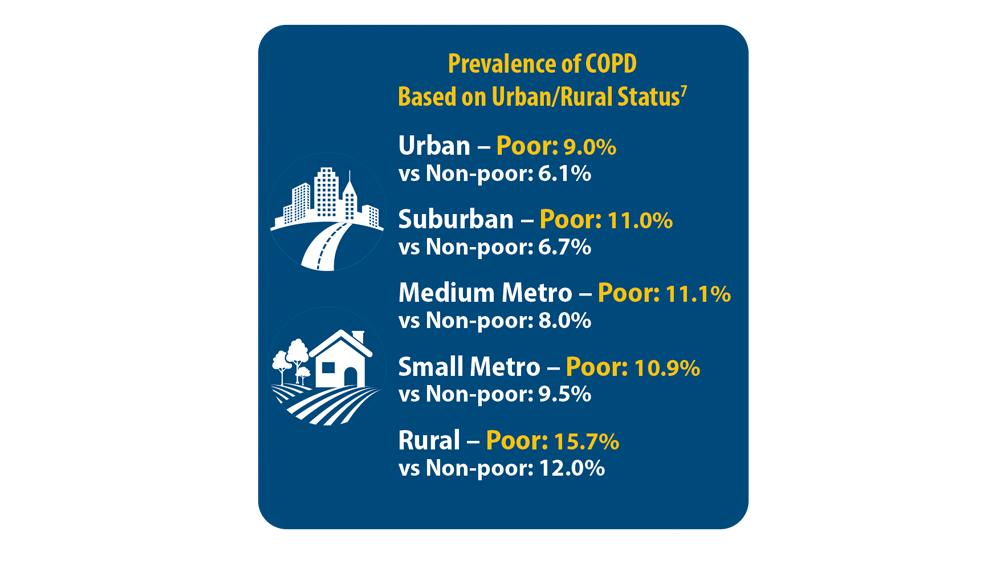
However, while lower education and income are generally associated with poorer outcomes, Black and Hispanic patients with COPD who are highly educated and who have high incomes still show worse health status than their White counterparts.3 Incidence of COPD also varies by region, with rural states such as Alabama, Arkansas, and Kentucky having some of the highest rates.2,4 These inequalities support the need for continued research to address the varying health behaviors, comorbidities, and systemic barriers causing disparities for Black and Hispanic patients with COPD.