
Treatment of Veterans With Advanced/Metastatic Urothelial Cancer
Urothelial cancer (UC) is the fourth most common cancer seen in the VA healthcare system. The optimal approach to treatment sequencing in veterans with advanced/metastatic UC is not clear and may be influenced by a variety of VA-specific issues. Drs Shruti Trehan, Mona Jahromi, and Anesa Ahamad examine the latest treatment practices and best options for treating veterans with this presentation.
Veterans are at risk for urothelial cancer, due to chemical exposures and a higher likelihood of a history of smoking.
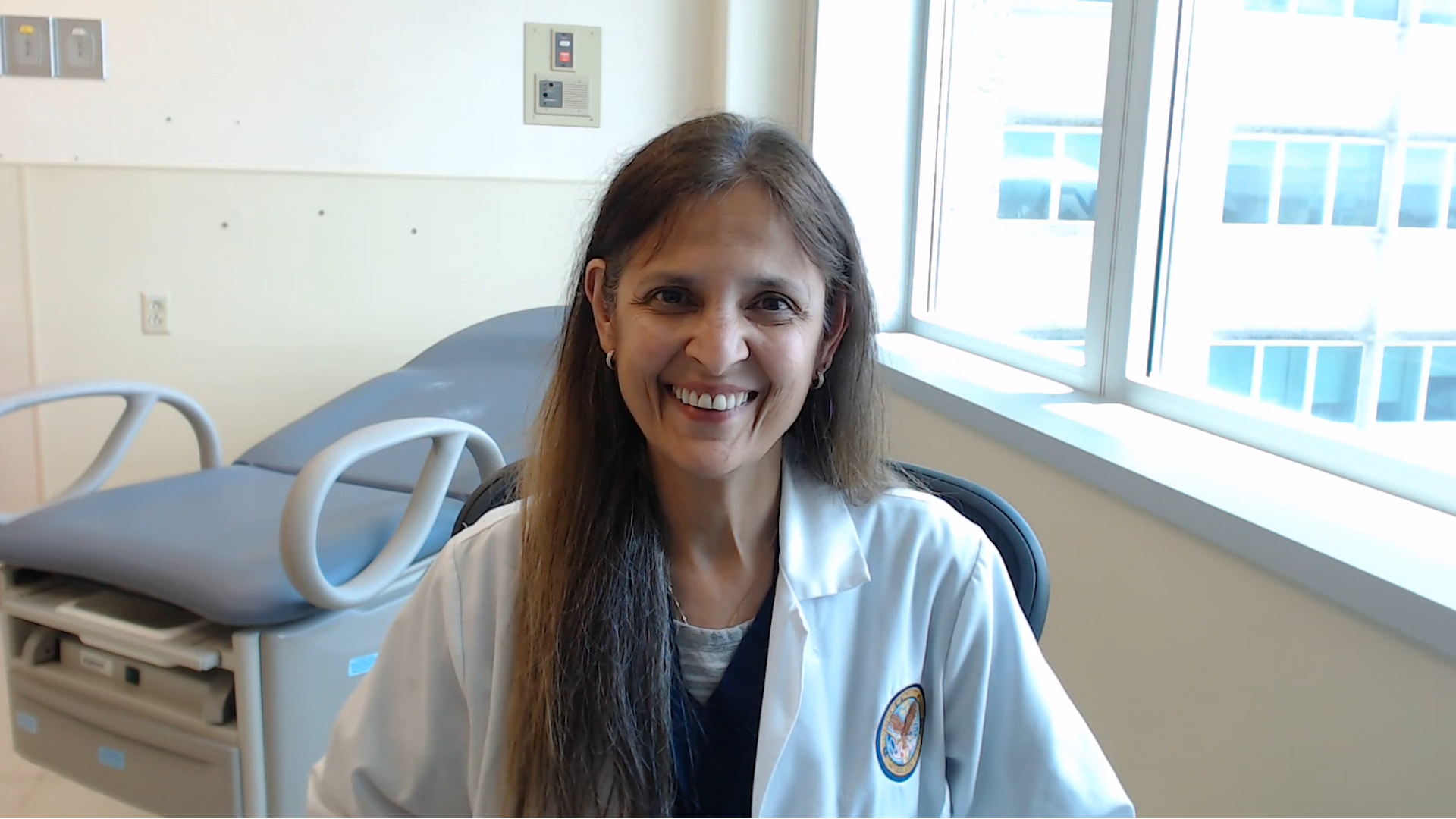
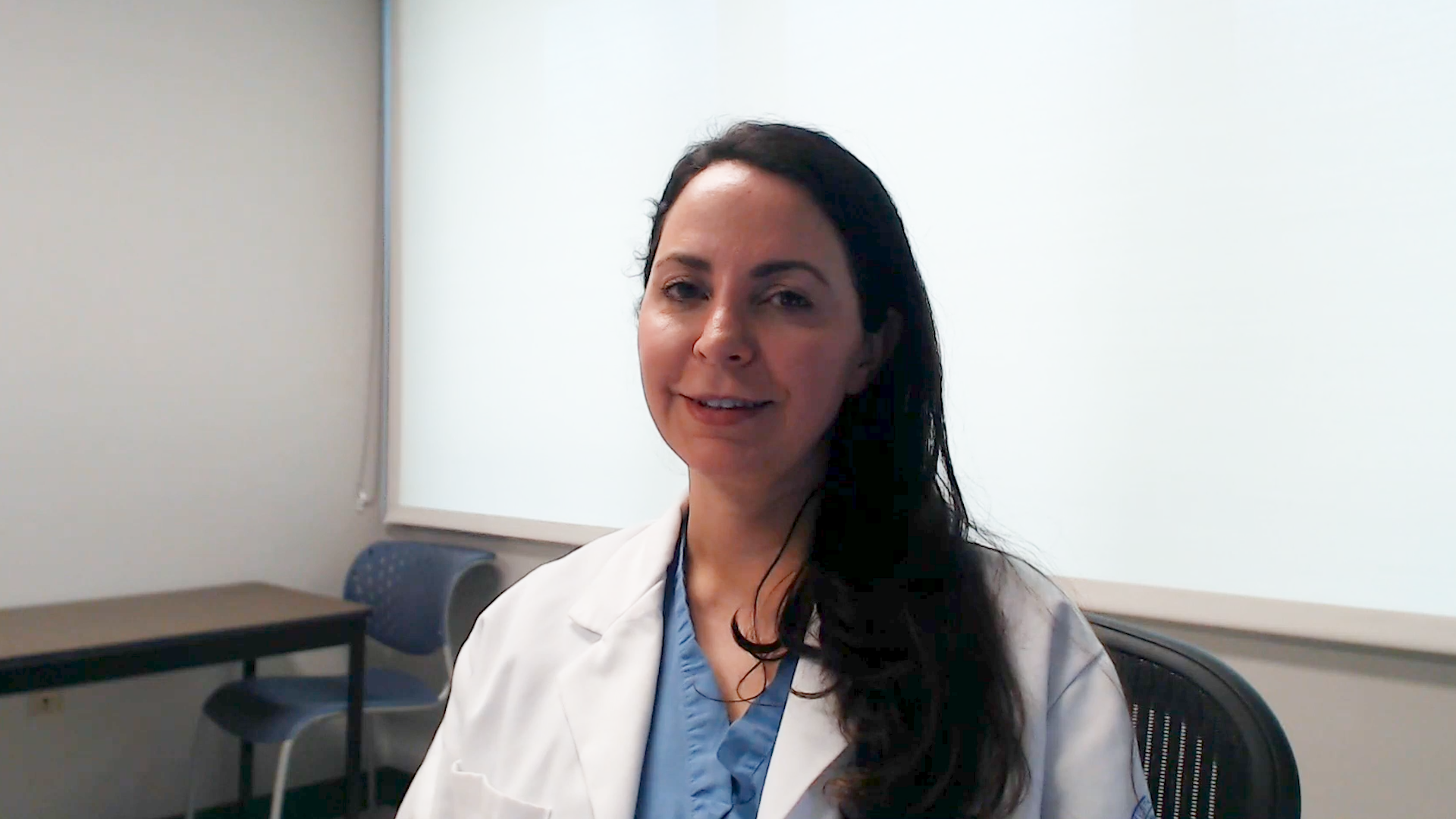
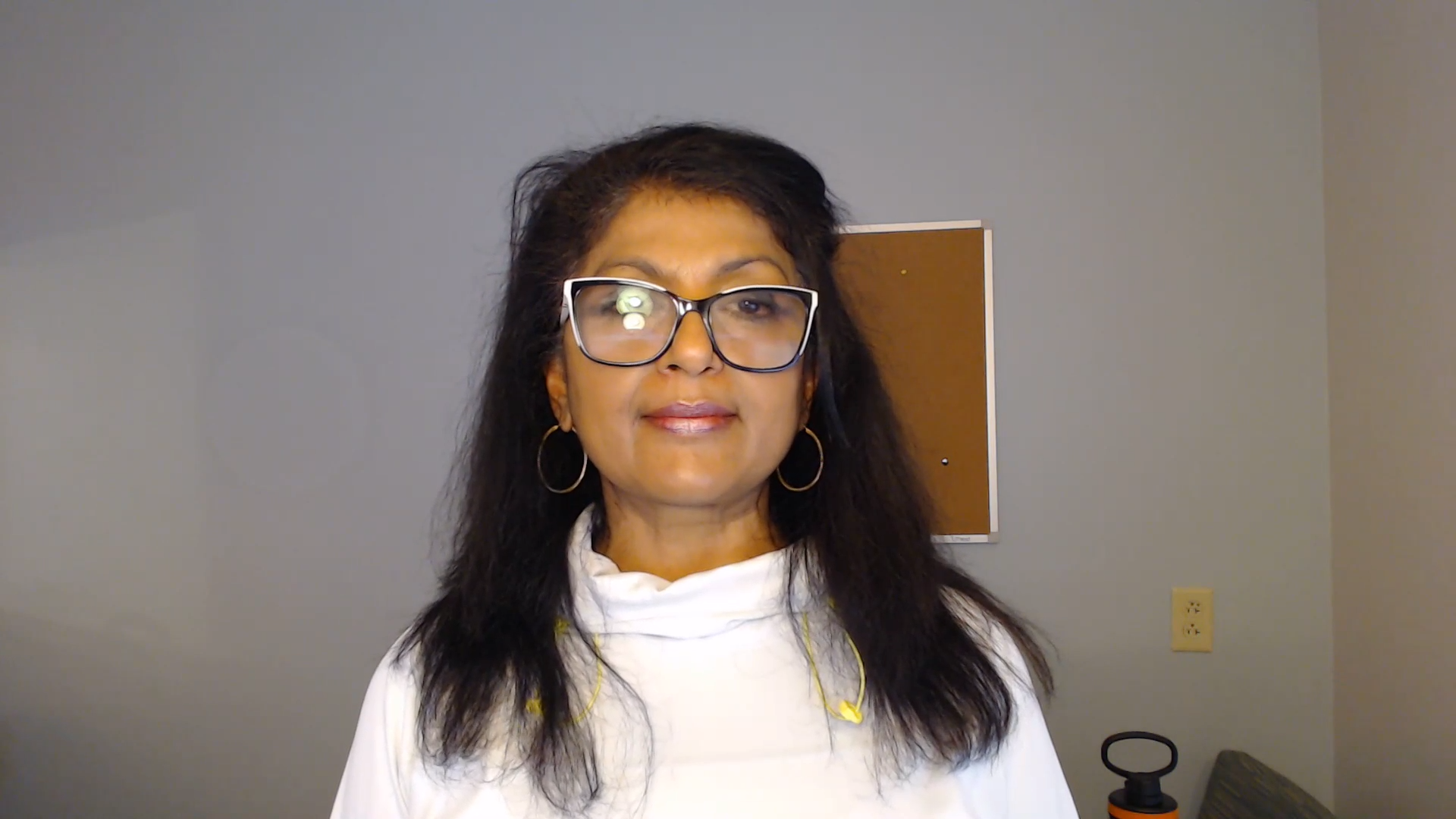
In this Roundtable, Drs Shruti Trehan, Mona Jahromi, and Anesa Ahamad, of the Miami Veterans Affairs Medical Center, examine the options for treating patients with locally advanced or metastatic urothelial carcinoma. Their discussion explores advances in systemic therapies and treatment sequencing.
The panelists consider the unique challenges of treating veterans, whose military service may have put them at risk for numerous medical and psychological disorders that could complicate treatment of UC.
They review recent advances in systemic therapies, including the combination of enfortuman vedotin and pembrolizumab, which has significantly improved survival rates compared with traditional chemotherapy for patients with advanced/metastatic UC.
Next, the doctors discuss the importance of next-generation sequencing for personalized treatment plans. Dr Jahromi reports on advances in intravesical therapies. Dr Ahamad highlights a recent study combining nivolumab with stereotactic radiation, increasing event-free survival.
The doctors conclude their discussion by highlighting the VA's dedication to providing state-of-the-art care through a collaborative approach.
About the Panel
Disclosures
Shruti Trehan, MD, has disclosed no relevant financial relationships.
Mona S. Jahromi, MD, has disclosed no relevant financial relationships.
Anesa Ahamad, MD, has disclosed no relevant financial relationships.